Arts · Music · The creative community · Events & festivals
Two pillars from the brief, six hours of the city between them. Arts and music in the rooms where they are made; events and festivals in the streets where they happen.
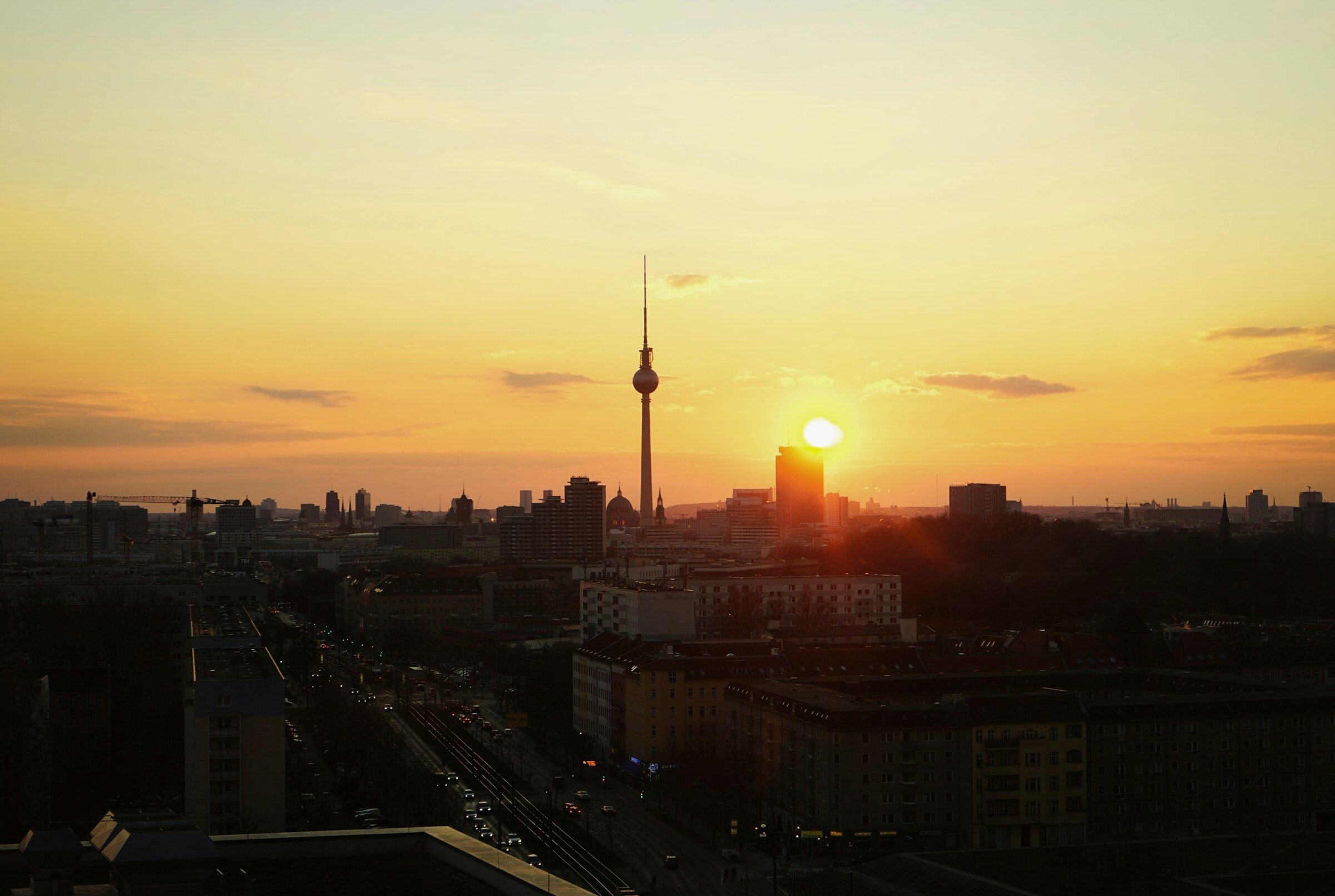
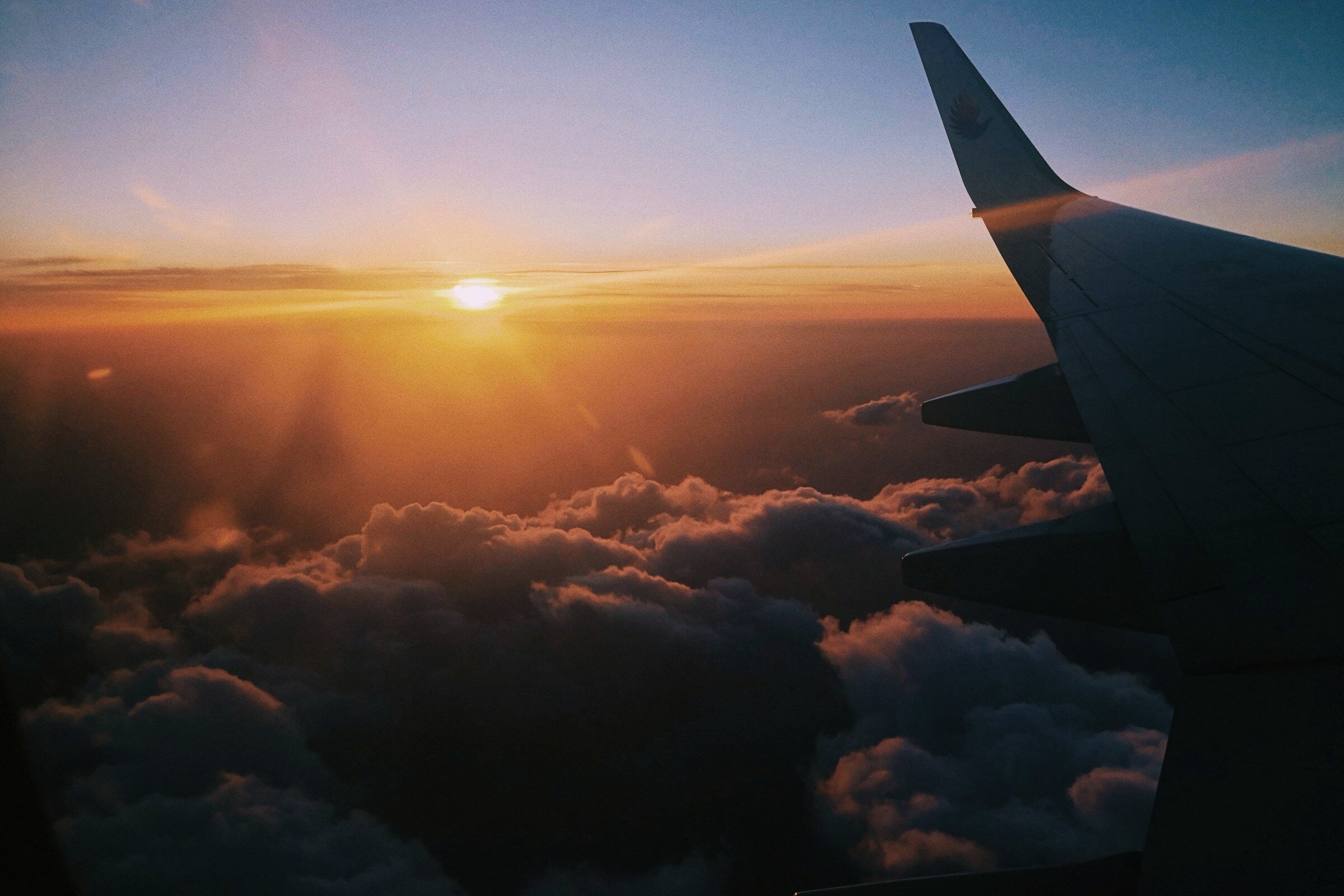
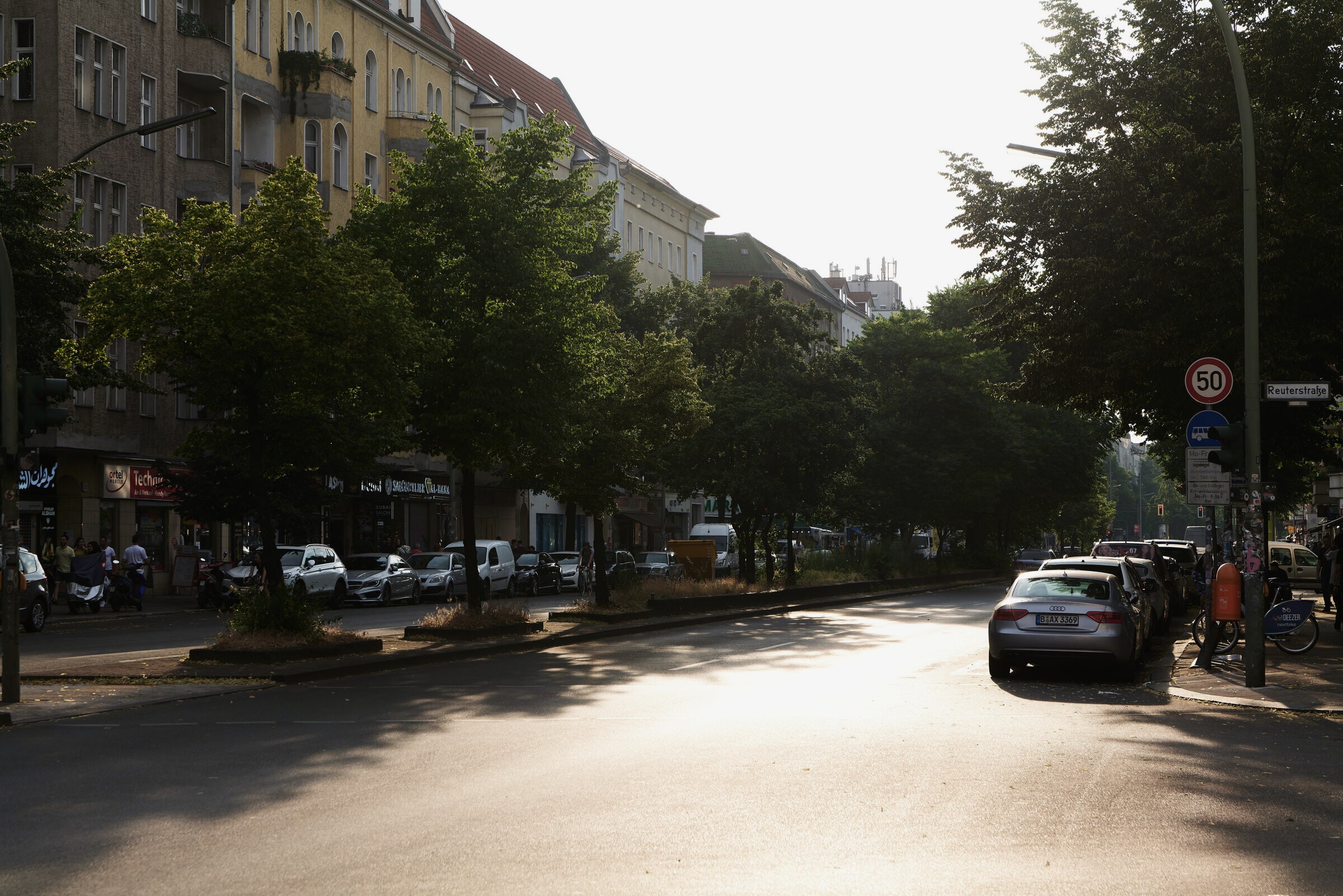
A city you have never visited is most itself in the hour before it opens. The bakeries are lit and the museums are not. Six hours after take-off from Dubai, the taxi from the airport crosses the Spree twice and the driver, who has done this drive for eleven years, says the light in October is the best of the year and the worst for driving into. He is right on both counts.
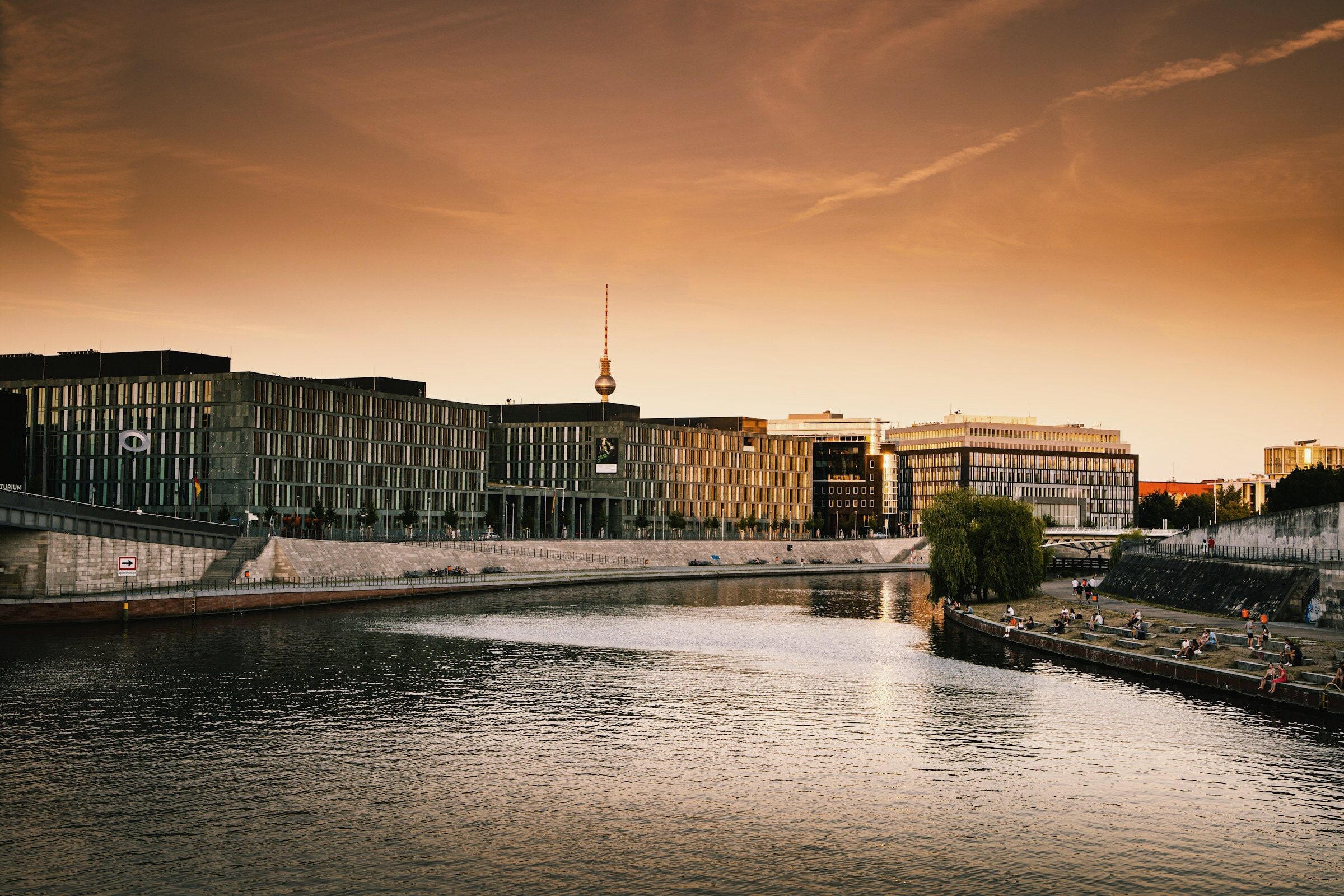
Berlin has a reputation for late nights, and the reputation is earned. But the city's real secret is the morning after: a capital of four million people that lets you have its river, its bridges and its museum quarter to yourself until ten. Khamsa arrived on Emirates' first direct flight of the week and decided not to sleep until the last encore.
What follows is one day, told hour by hour. It is not a guide. It is a way of showing what a direct route actually buys: the whole of a city's day, with no layover taking the edges off.
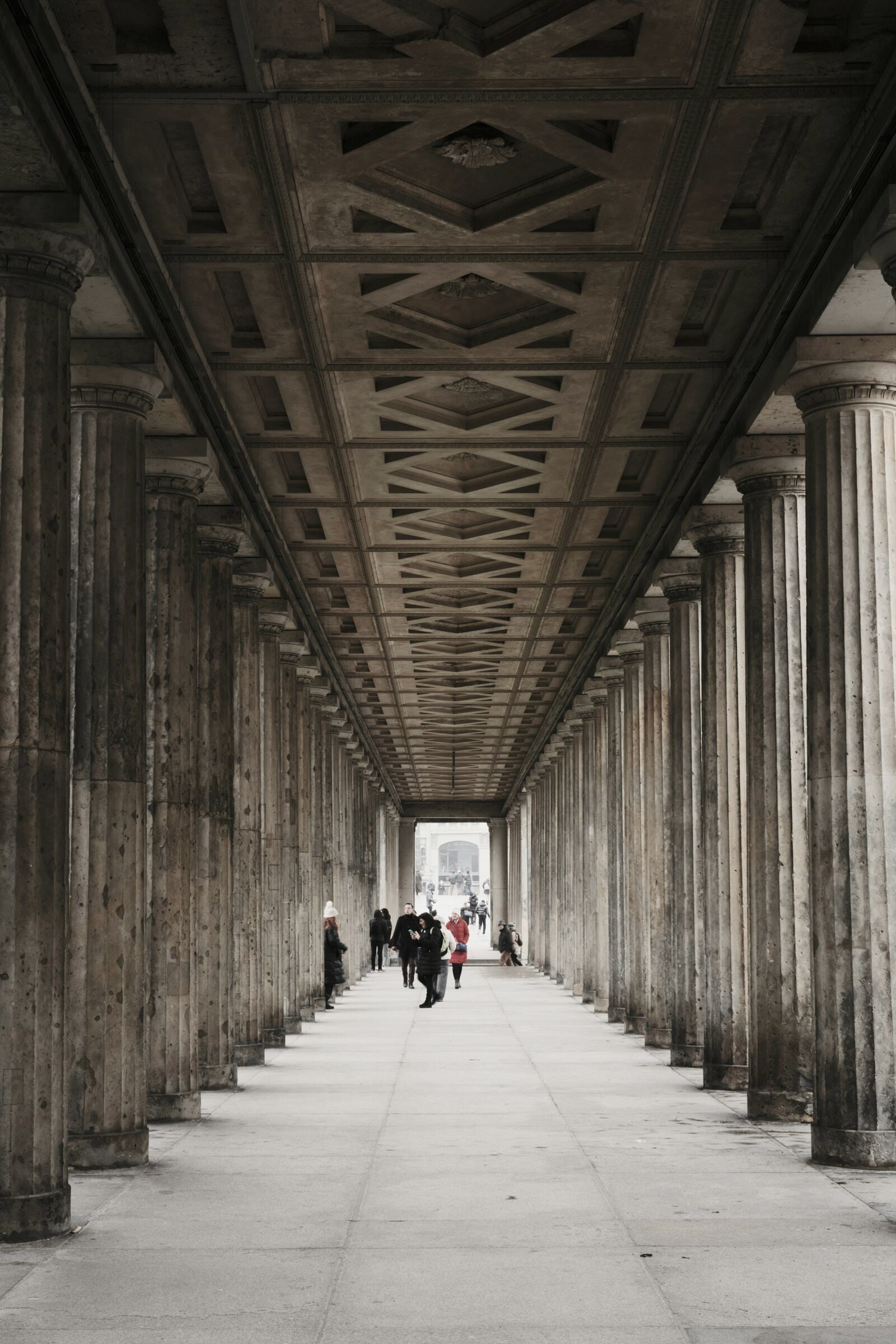
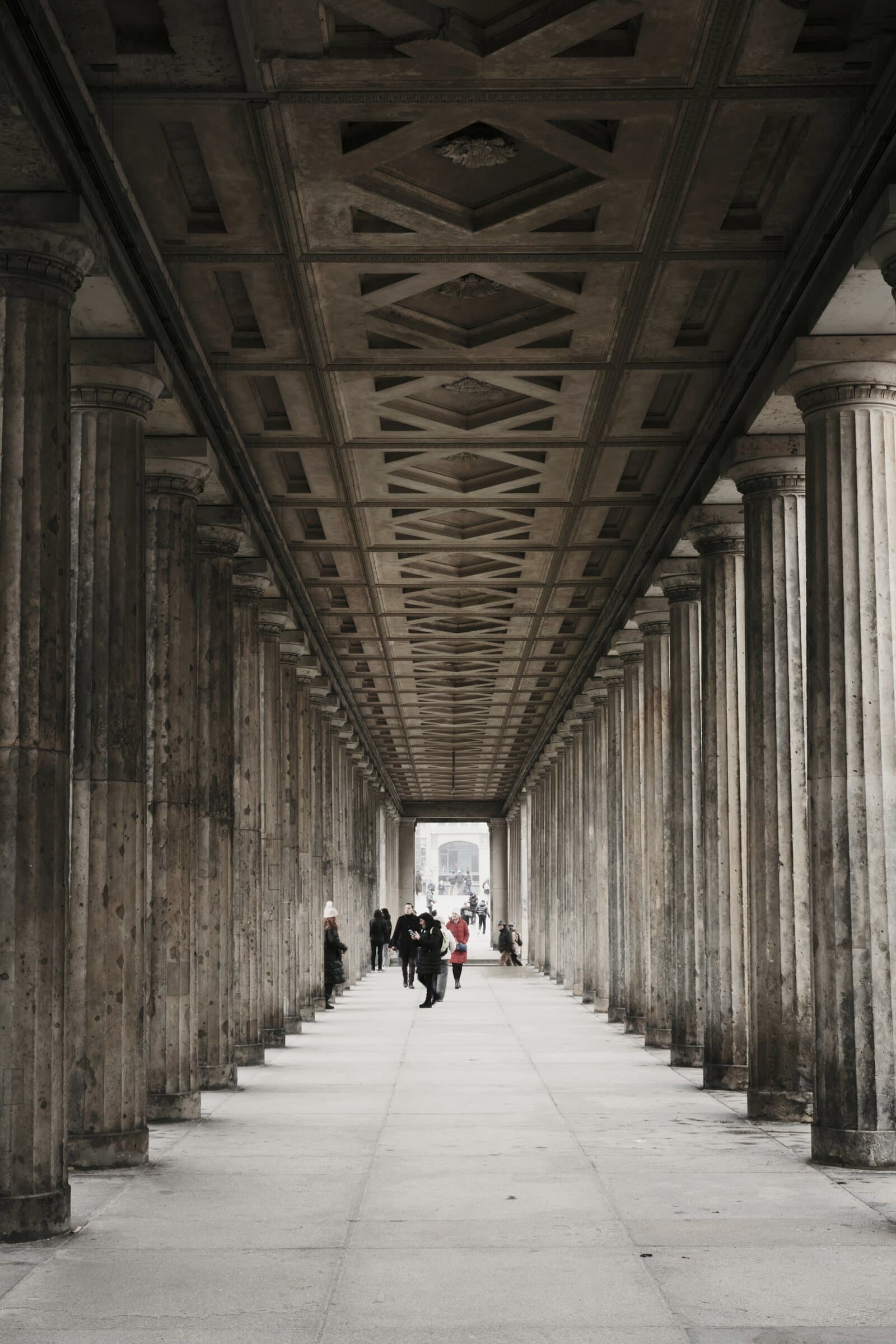
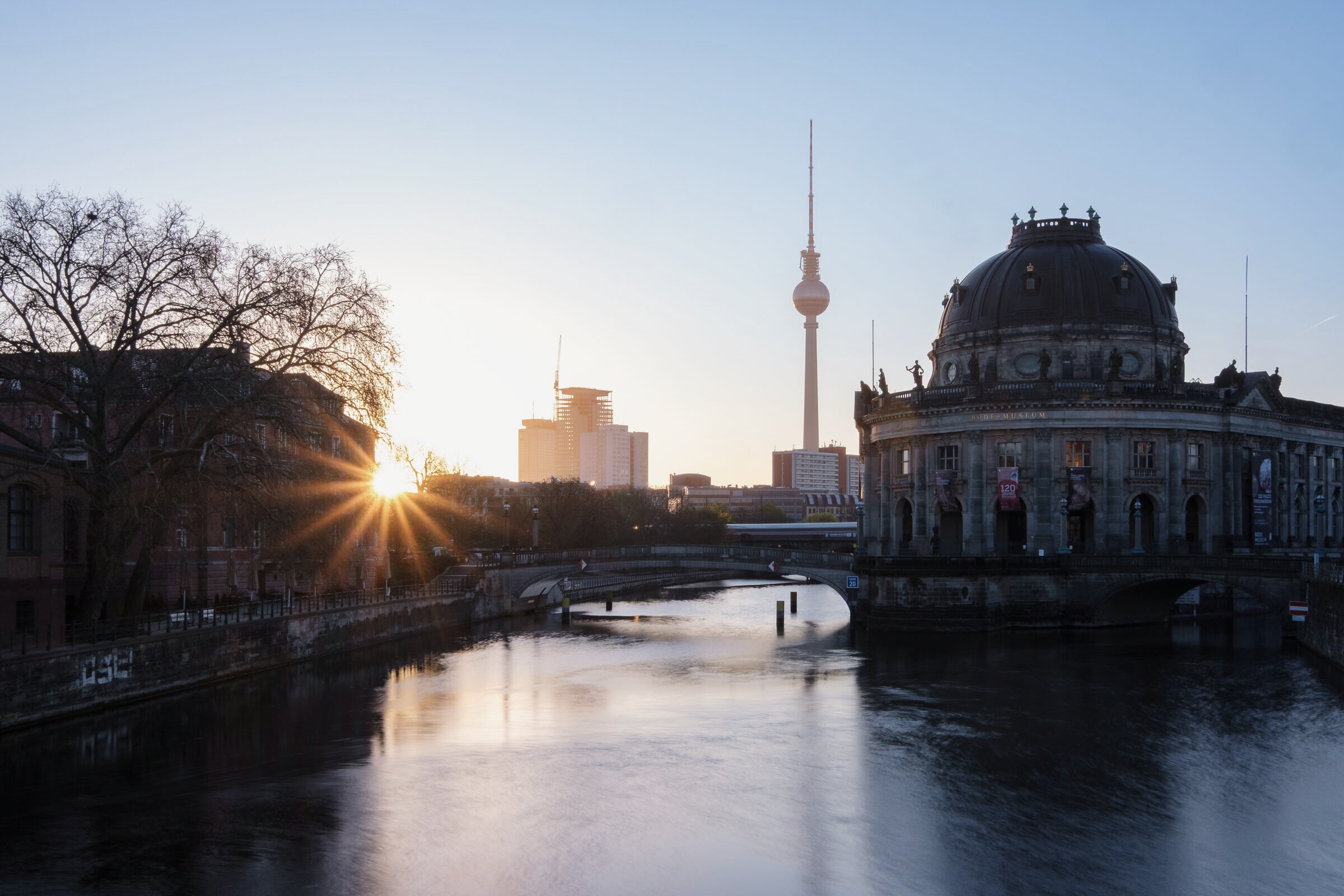
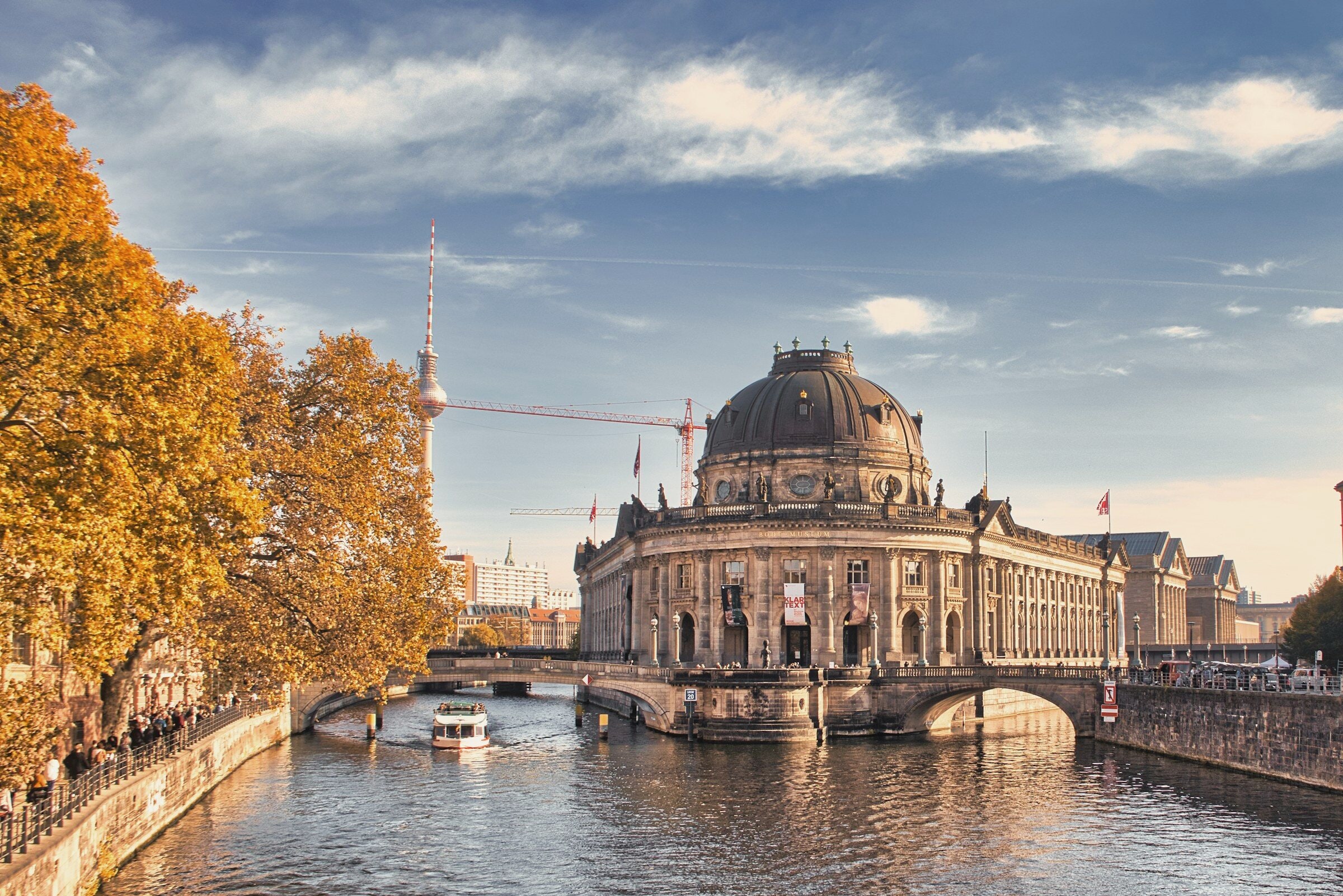
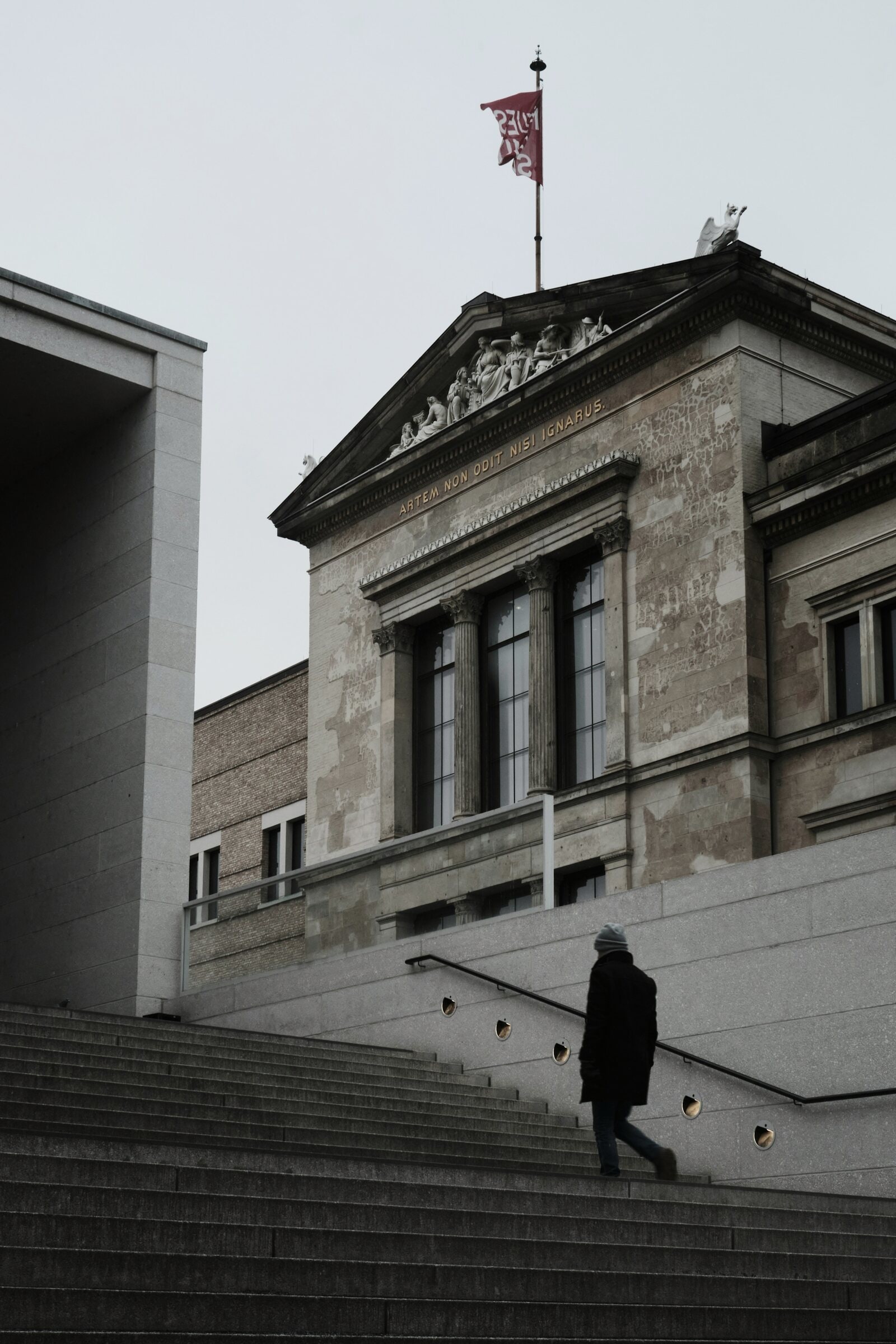
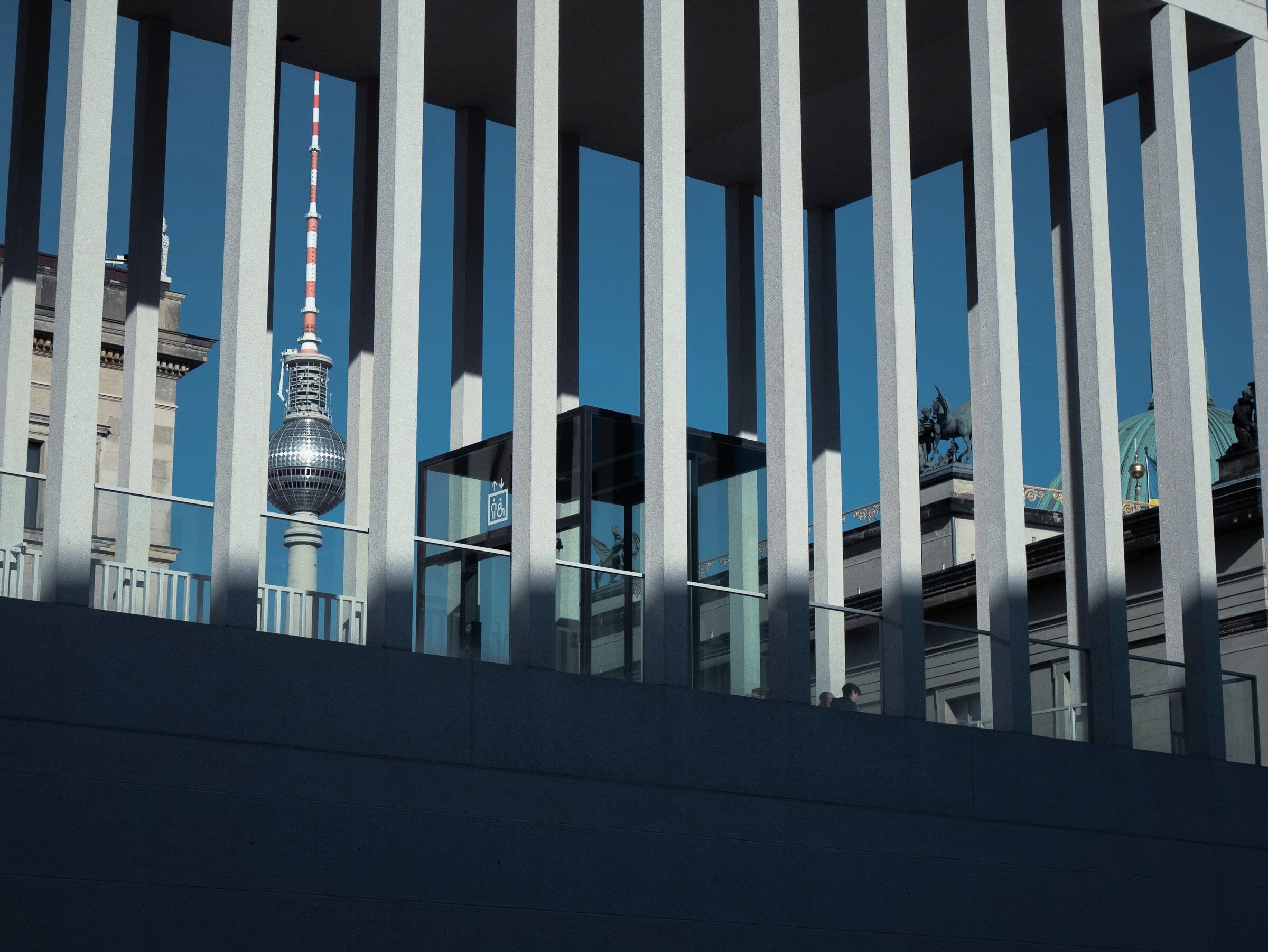
The island took a century to build and another to repair. Five museums, one UNESCO listing, a colonnade you can walk under without a ticket. The Bode sits at the prow like a ship's bridge. The Alte Nationalgalerie behind it holds the nineteenth century: Menzel, Liebermann, and the Caspar David Friedrich rooms that people cross Europe to stand in.
The trick is the first forty minutes. School groups arrive at eleven, tour groups at half past. Before that, the rooms have the hush of a house whose owners have stepped out. A guard in the Friedrich gallery told us she plays a game each morning: guessing which painting the first visitor will stop at. It is almost always the abbey in the oak wood. It was for us.
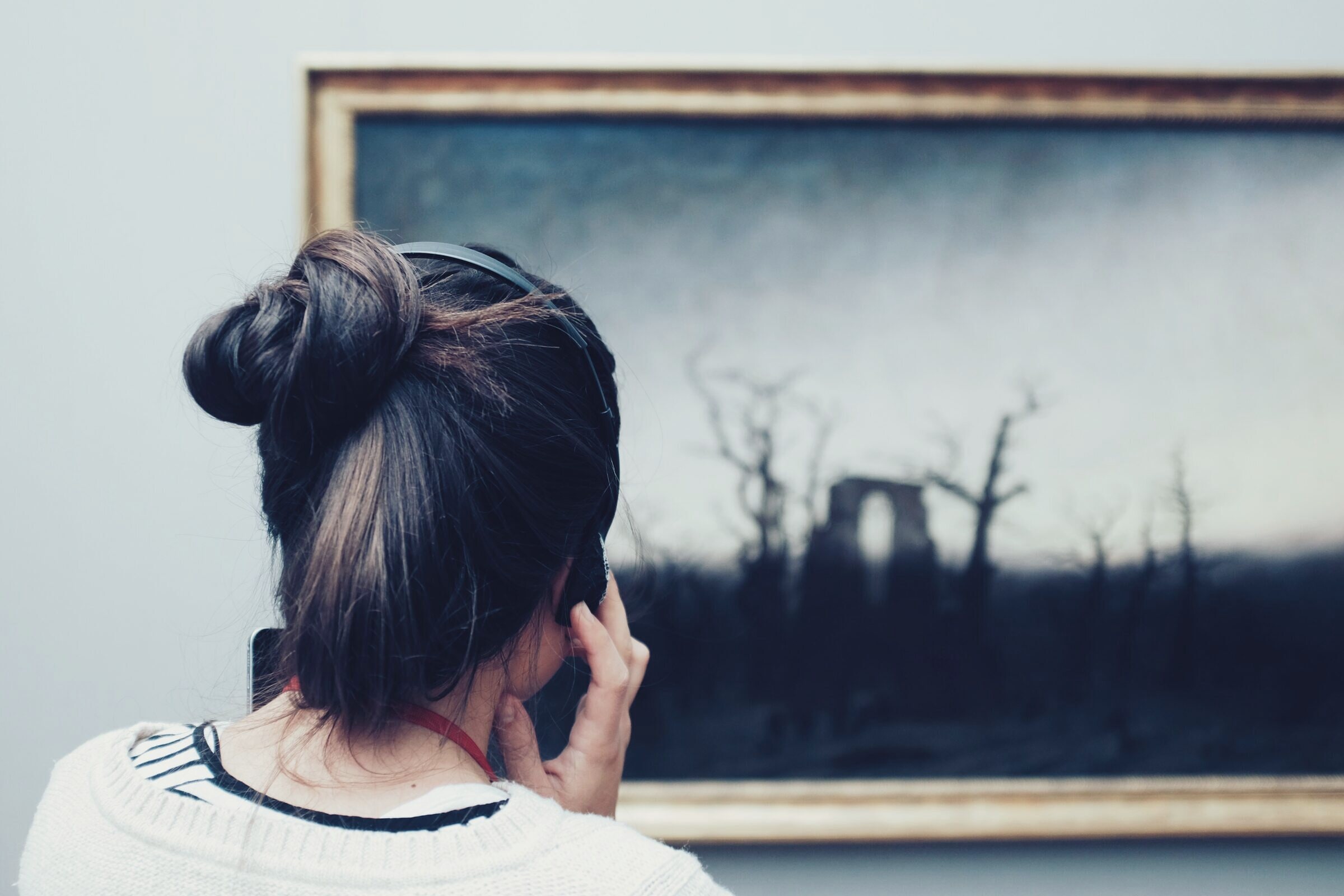
For a reader coming from the Gulf, where the museum age is young and the buildings are new, the island is a reminder of what a collection looks like after two hundred years of arguing about it. Bombed, split by a wall, reunited, still being restored. It is a museum quarter with a biography.
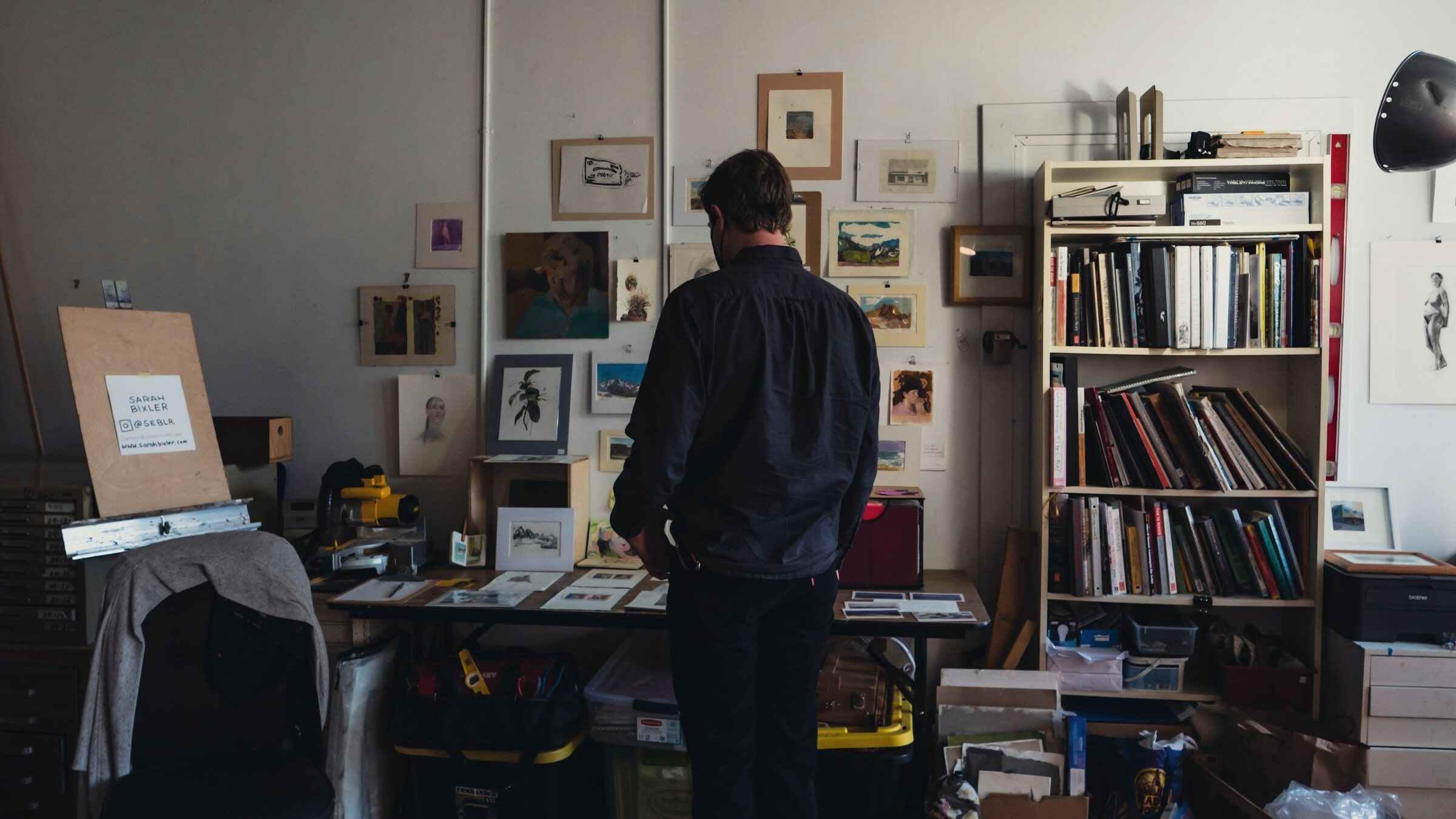
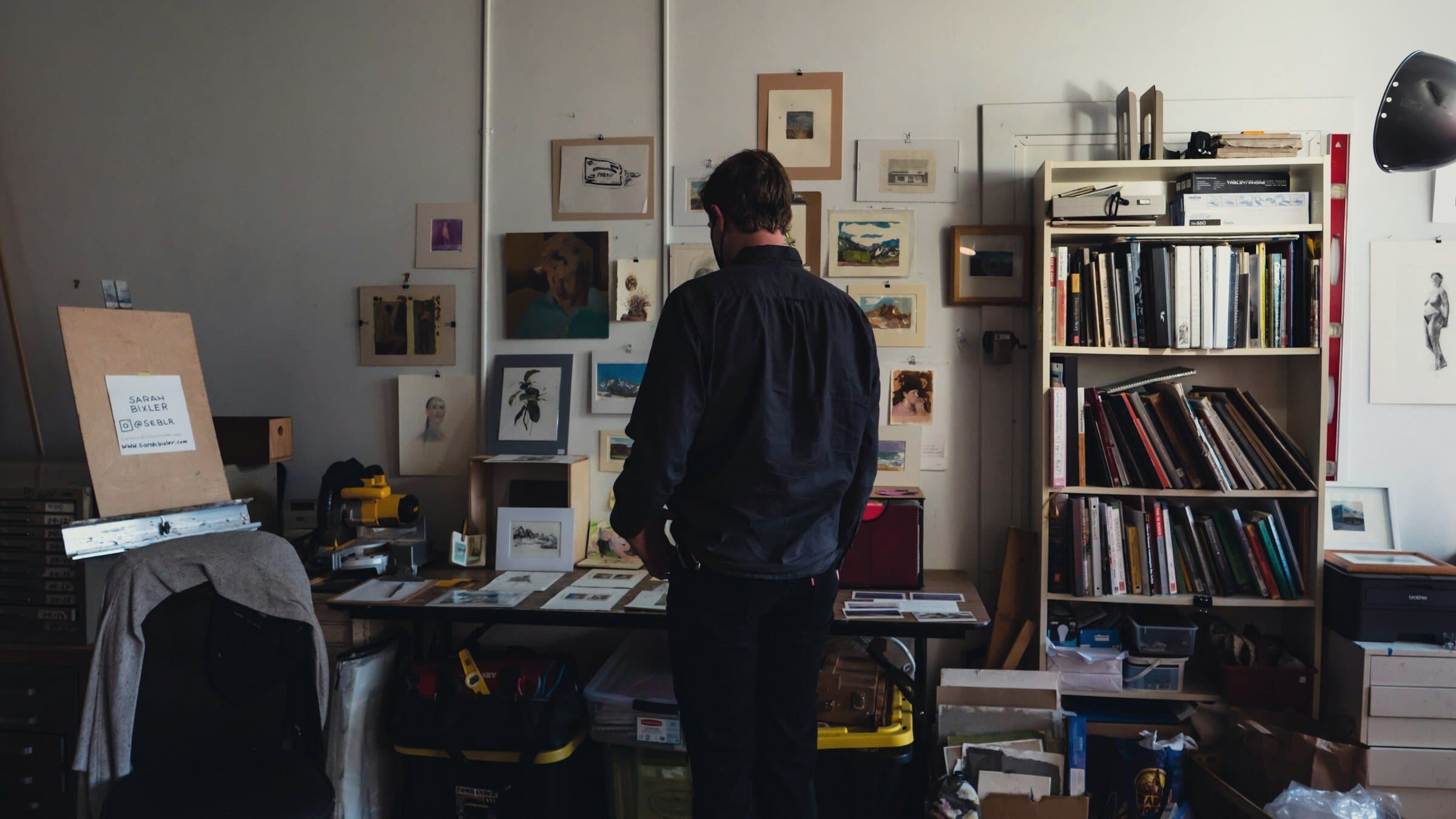
The city's studios cluster where the rent was once cheap and the ceilings were always high: Wedding, Lichtenberg, the upper floors of Kreuzberg's courtyard blocks. An estimated eight thousand artists work in Berlin, more than any other European city, and most of them will tell you they came for the space and stayed for each other.
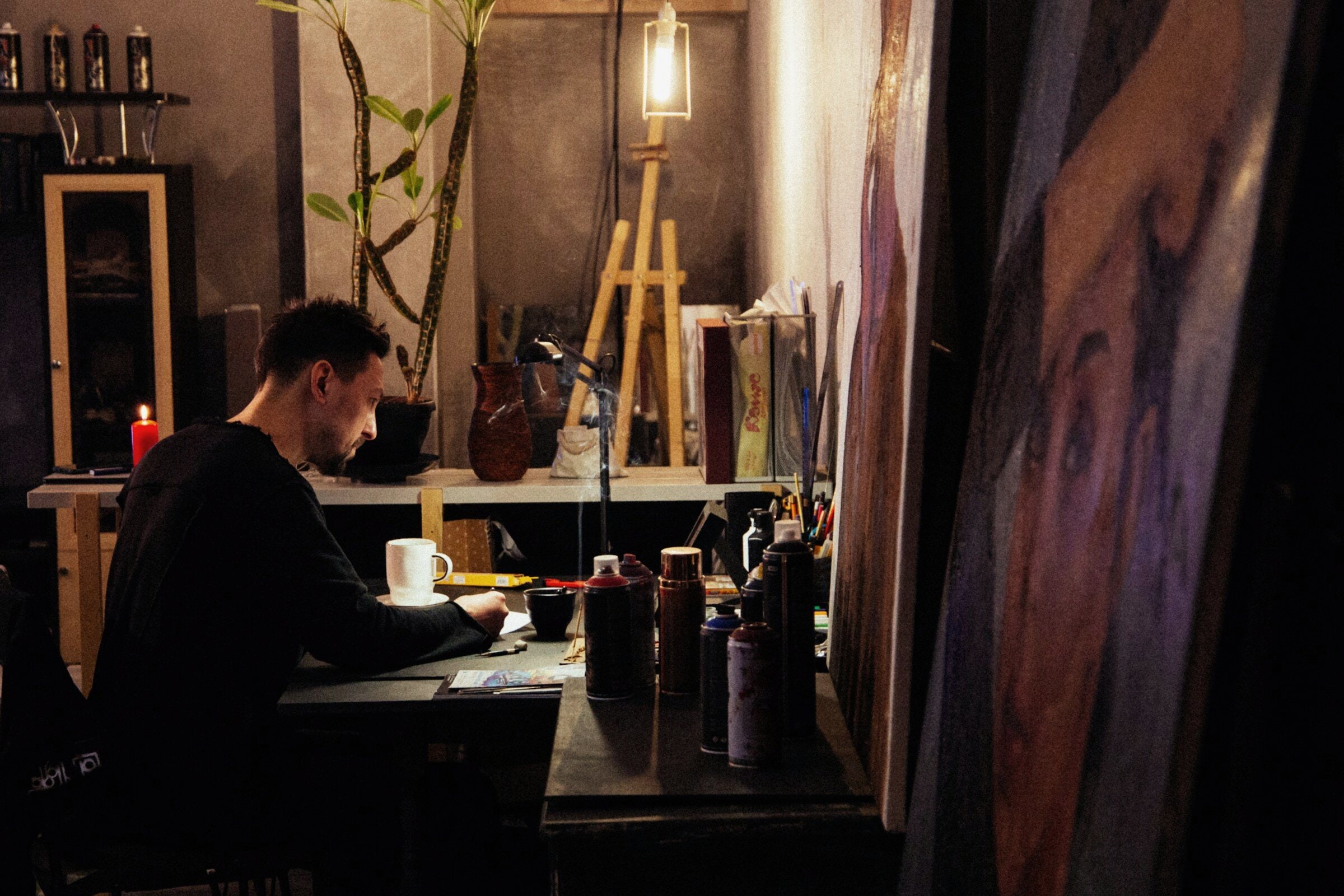
Maryam Bouzid moved here from Sharjah in 2021 with a photography degree and two suitcases. She now shares a former dairy on the Panke canal with a Syrian ceramicist and a set designer from Beirut. 'In the Gulf I had a studio to myself and nobody to argue with,' she says. 'Here I have a quarter of a room and six people who tell me when something is wrong. It's better.'
The Arab presence in the city's art scene is no longer a footnote. Sonnenallee in Neukölln has been called the Arab street for a decade, but the interesting addresses are now the galleries and project spaces a few blocks off it, where Arabic is the working language on opening night and the crowd looks a lot like a Khamsa launch.
Maryam Bouzid, photographer, Wedding
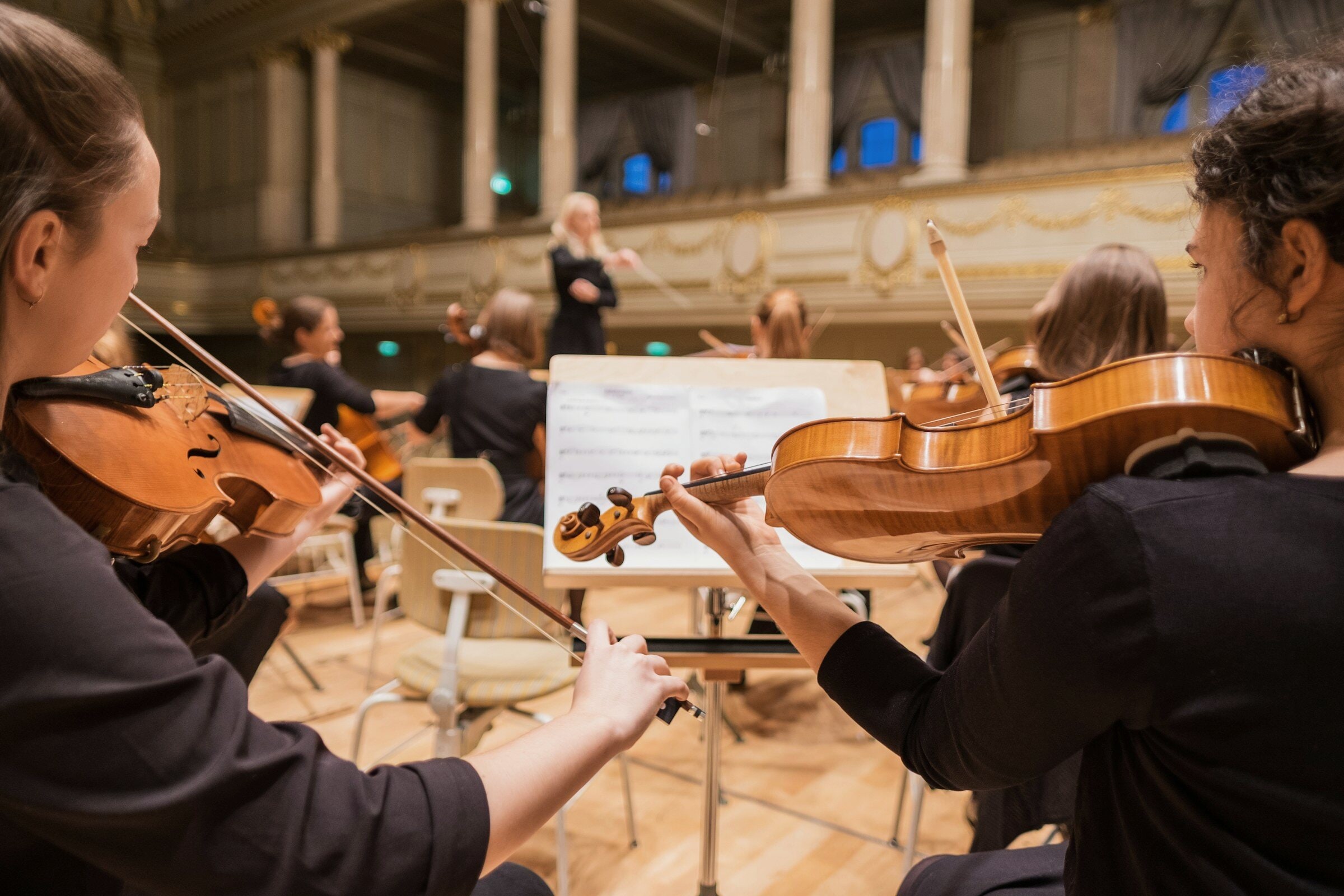
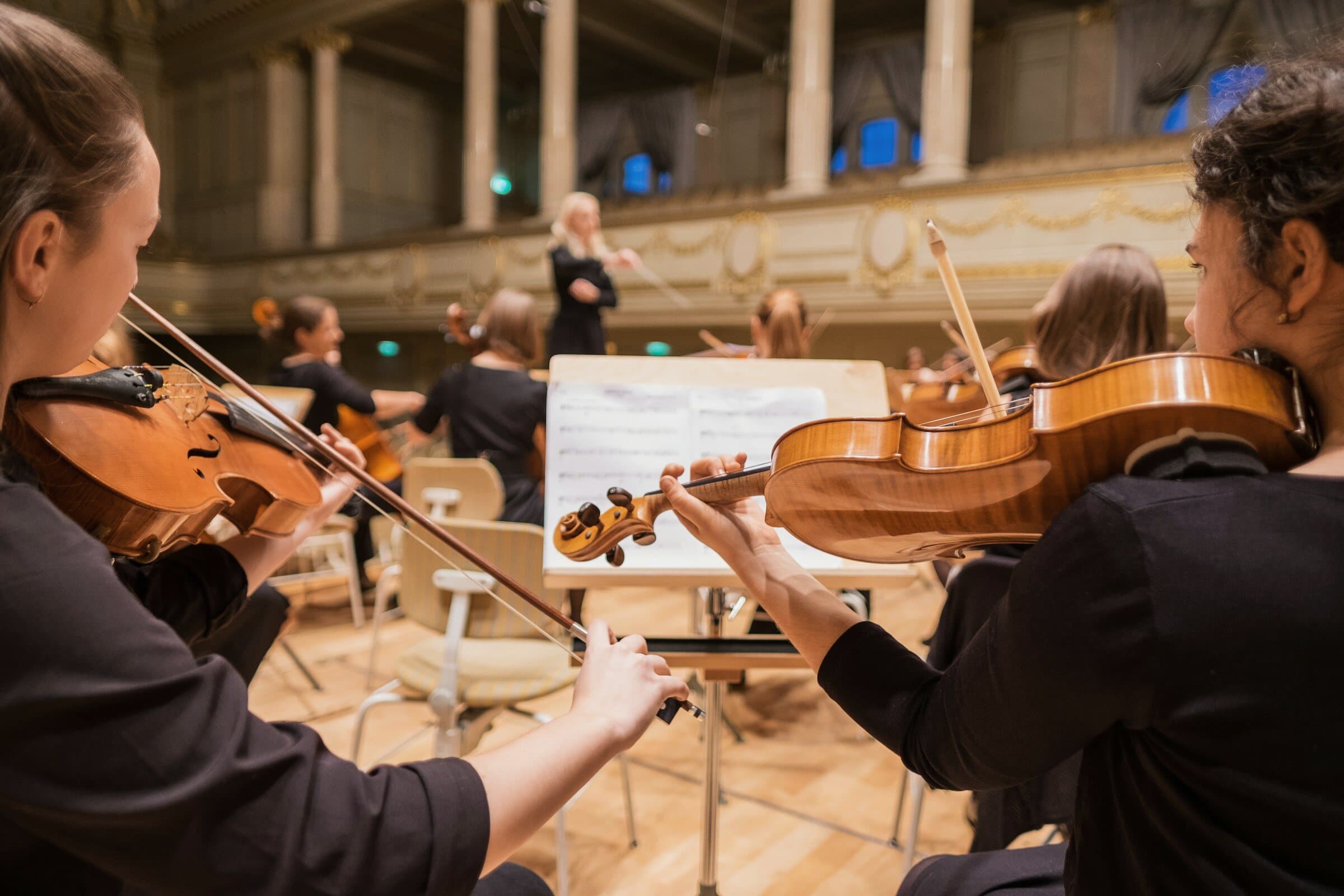
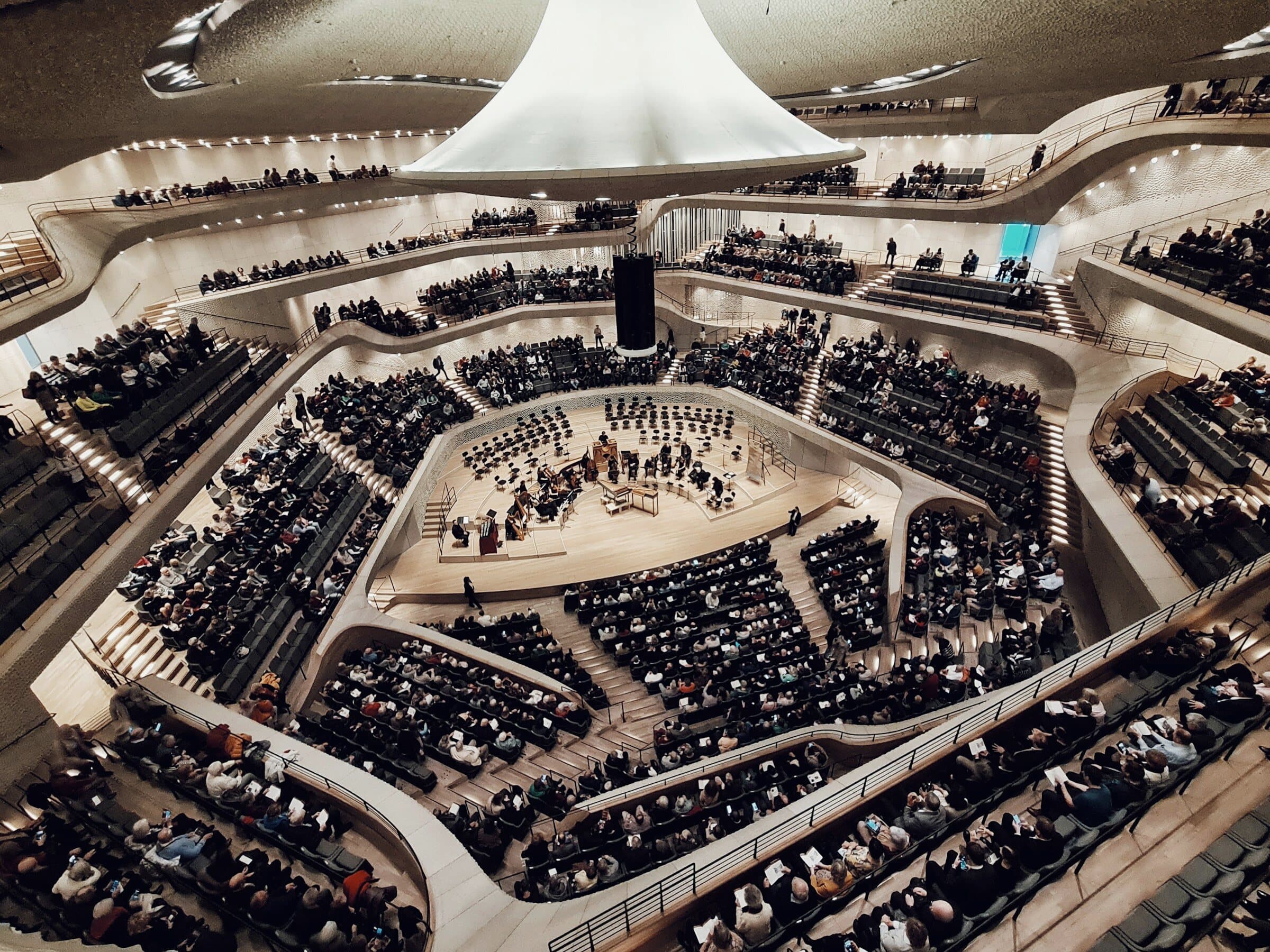
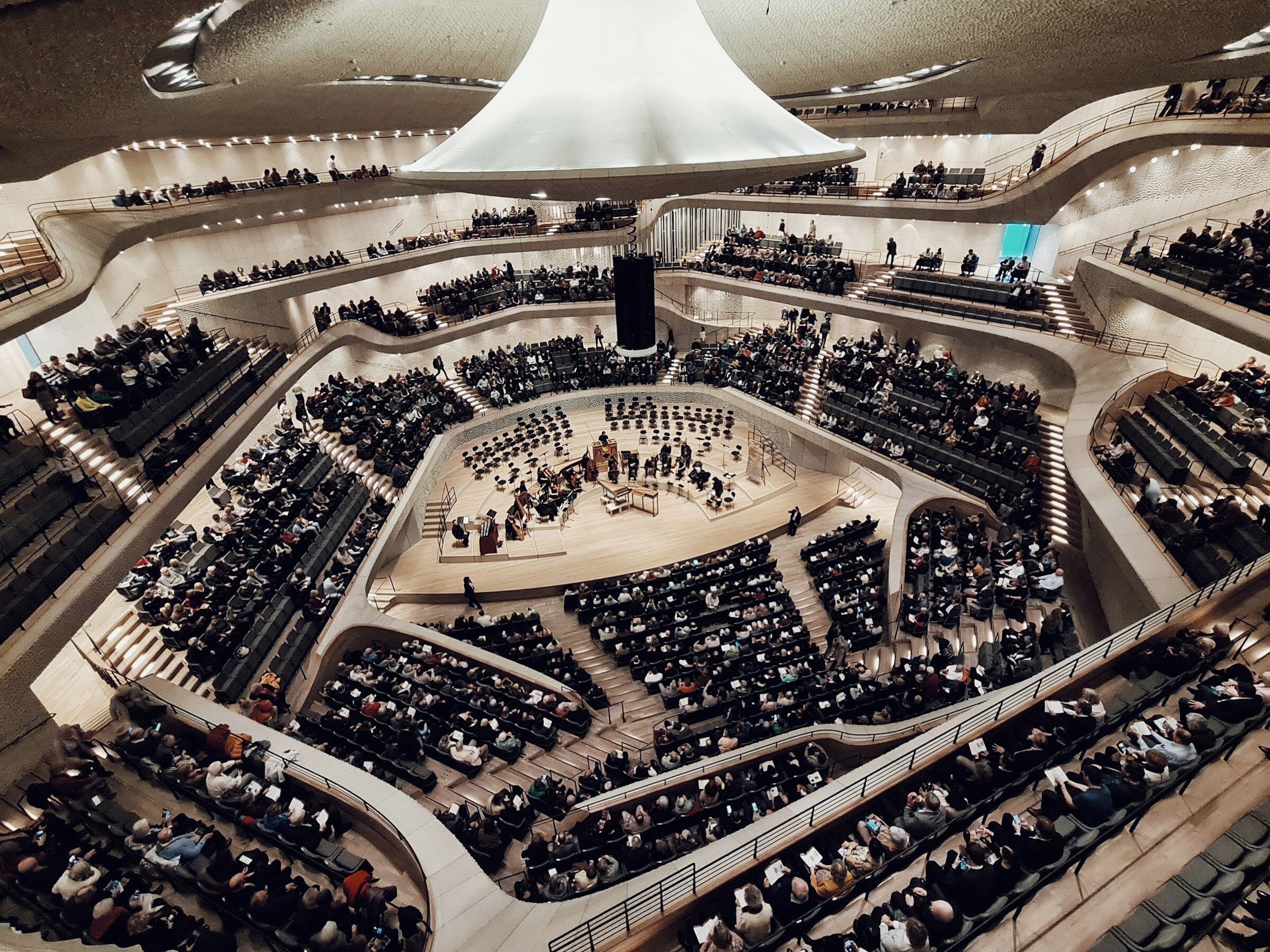
The building is a tent made of gold panels, finished in 1963 on the edge of what was then a wasteland beside the Wall. Inside, the orchestra sits in the middle and the seats climb around it in terraces, so that no listener is more than thirty metres from the conductor. Every concert hall built since has had to answer to this one.
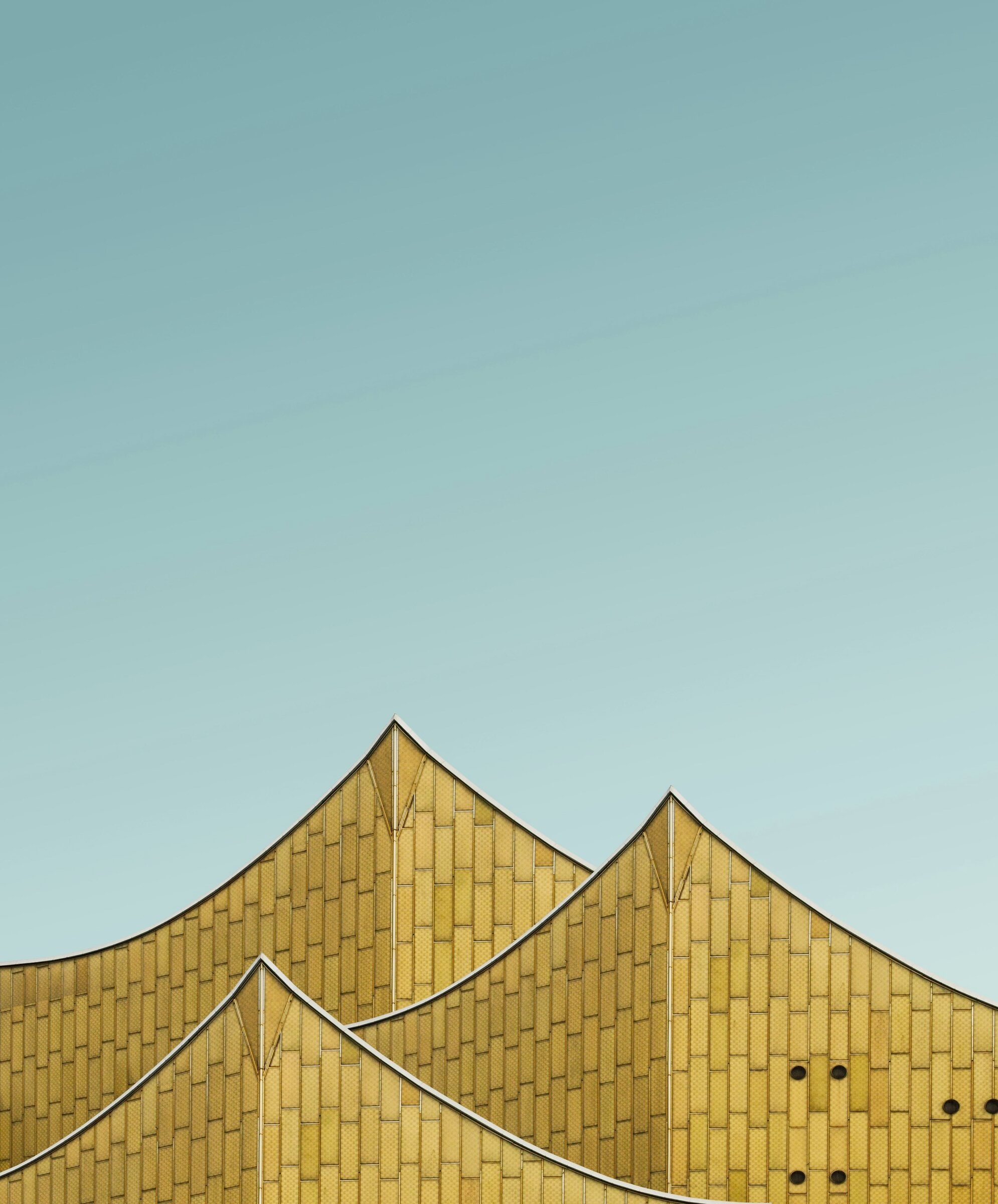
We came for the lunch concert, which is free and fills the foyer on Tuesdays, and stayed for the afternoon rehearsal because a stage manager took pity. The sound of an orchestra tuning in an empty hall is the sound of a building being tested. Scharoun designed the room for it. The oboe's A goes up, the strings find it, and for a moment the whole gold tent rings.
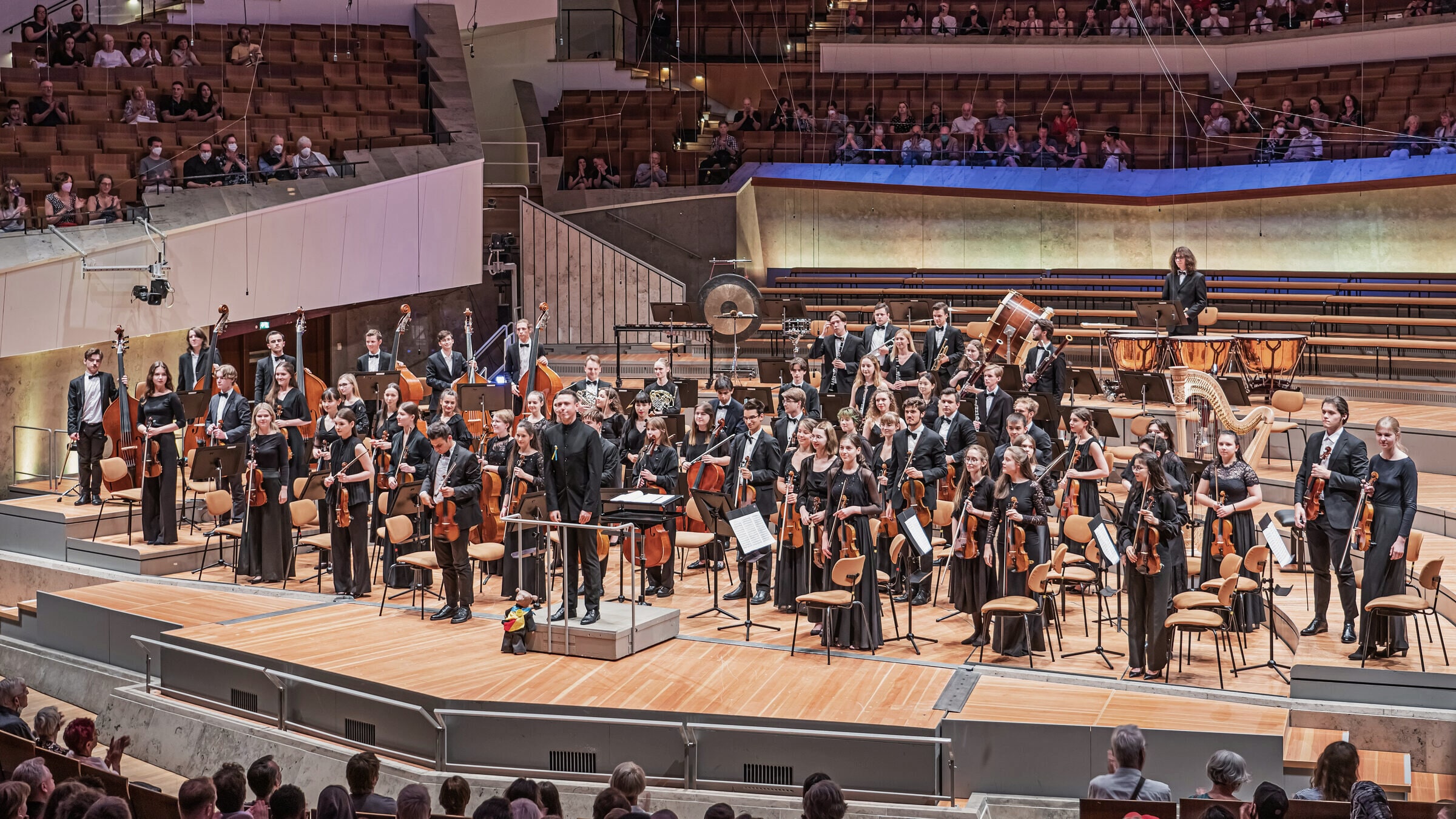
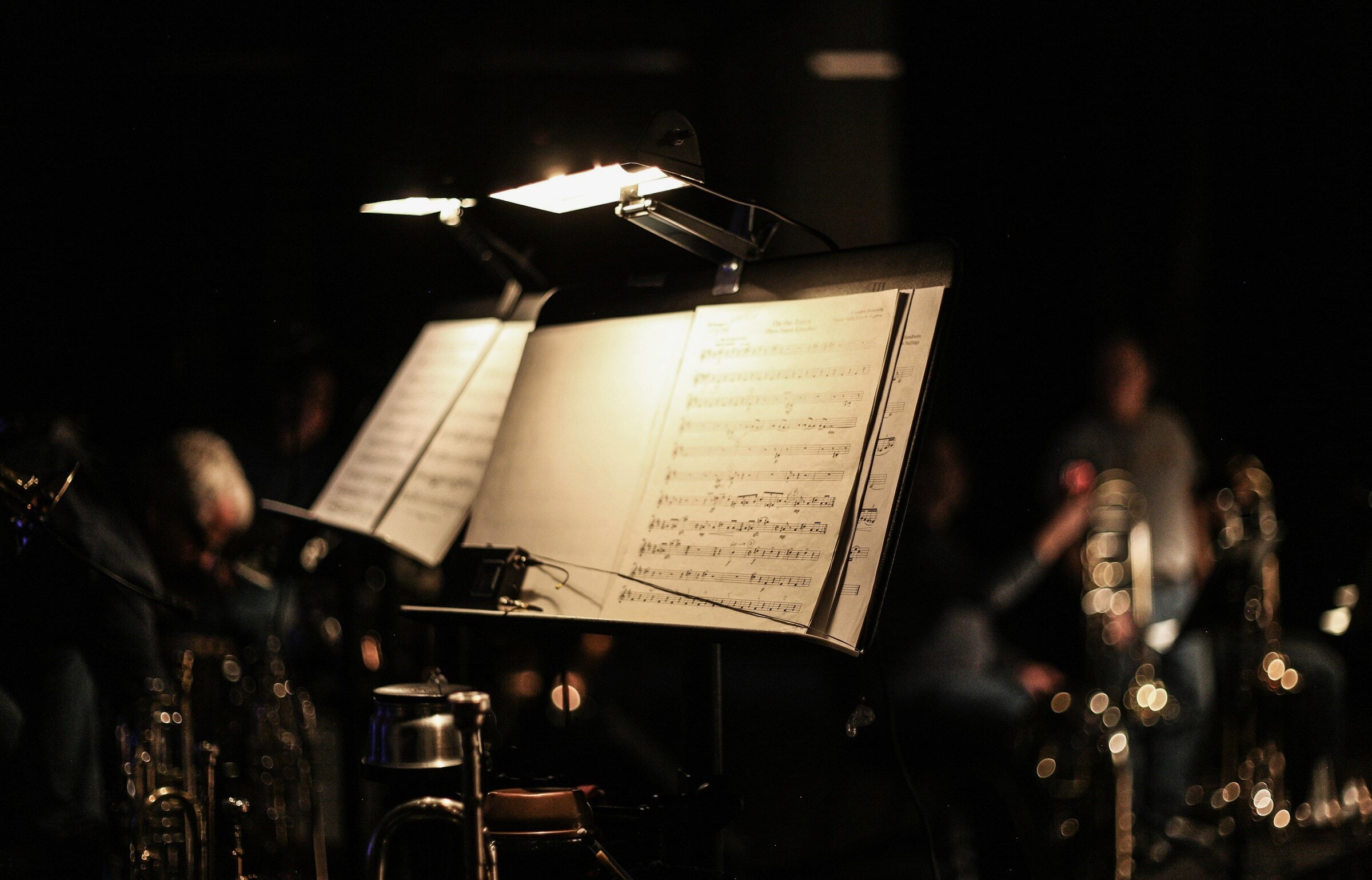
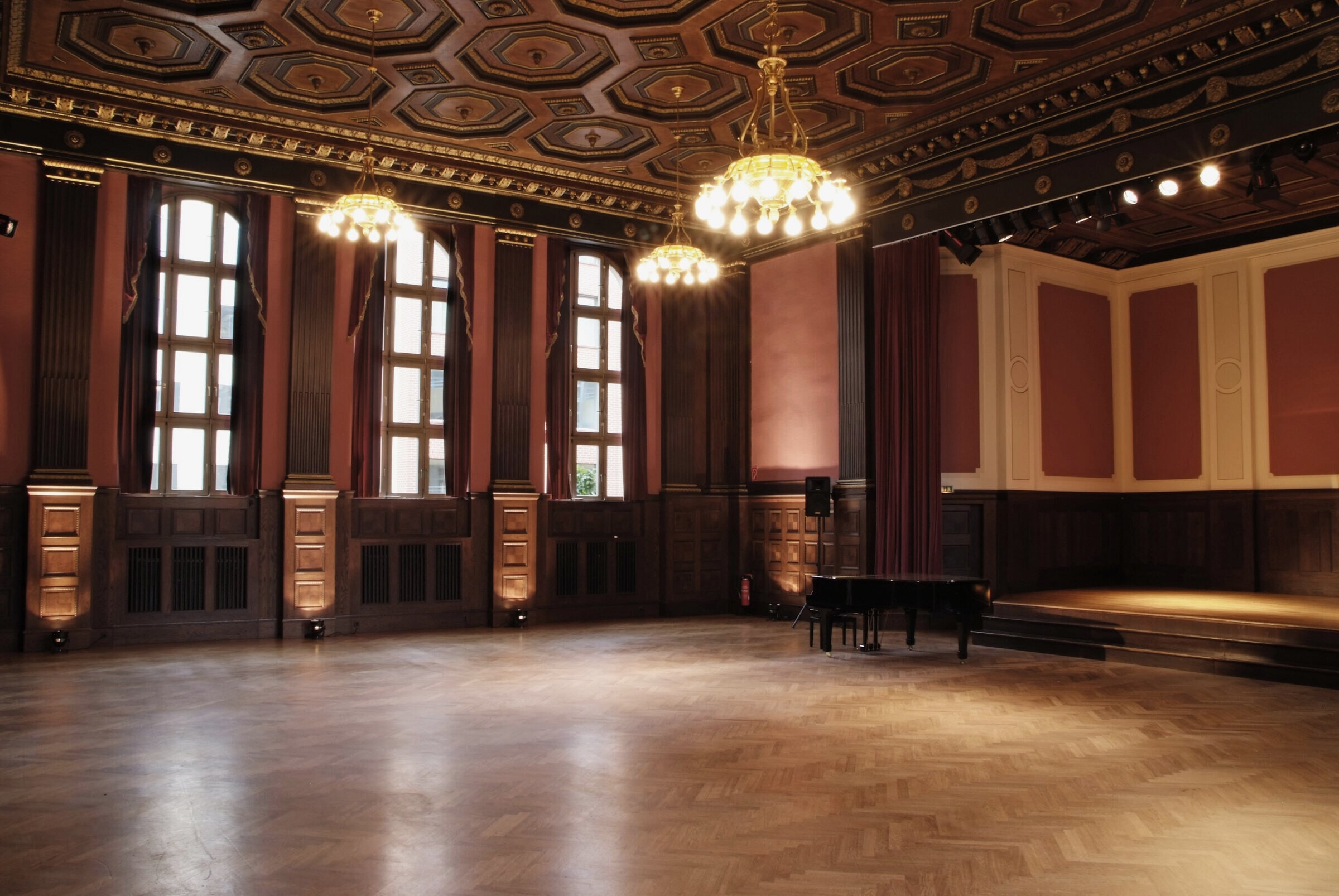
Berlin's music is not one genre. It is a habit of building rooms and letting people find out what they are for. The Philharmonie was for Karajan. The Meistersaal was for chamber music, then for Bowie, then for anyone who could book it. The next room is probably a former power station, and someone is tuning in it now.
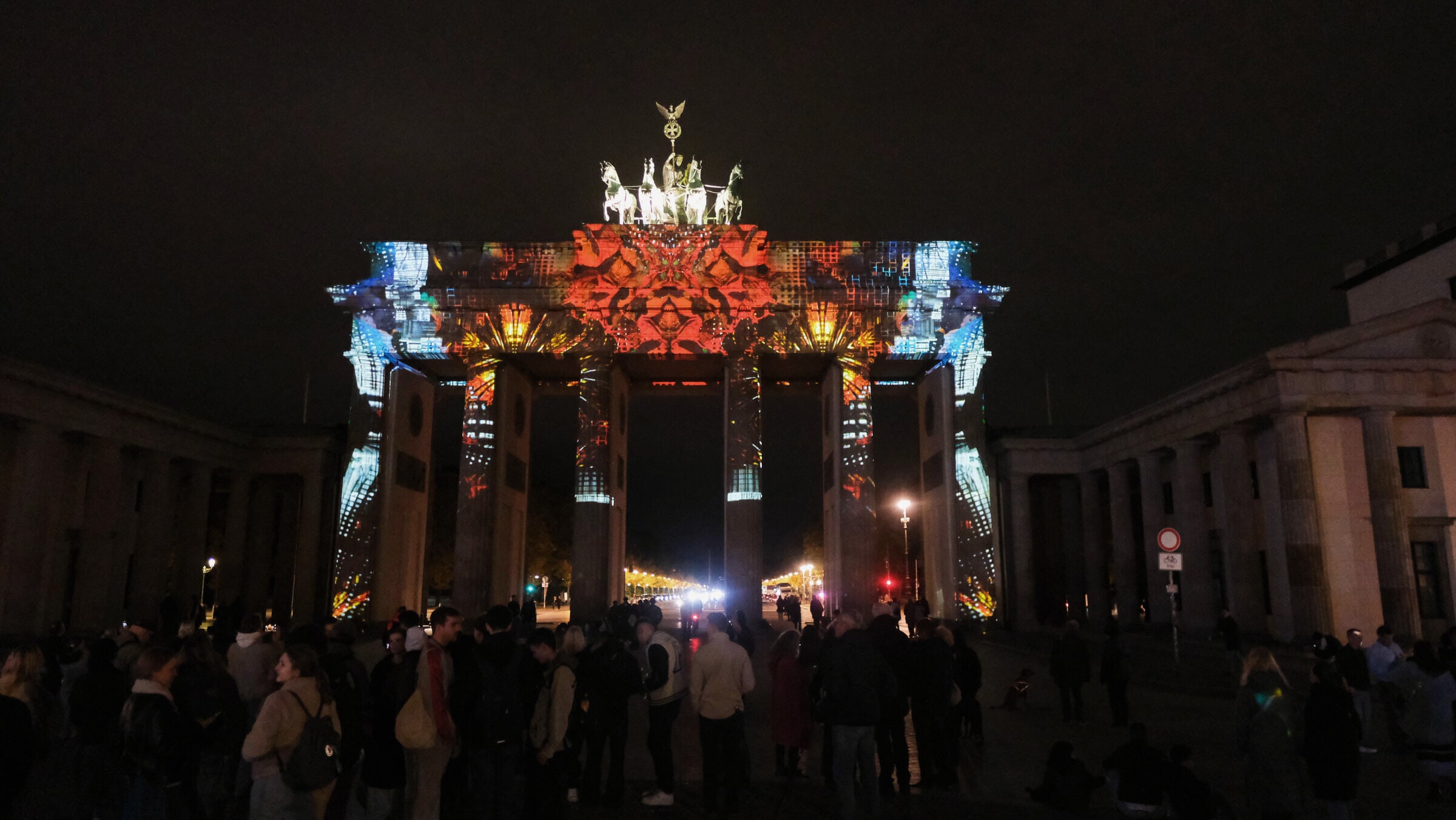
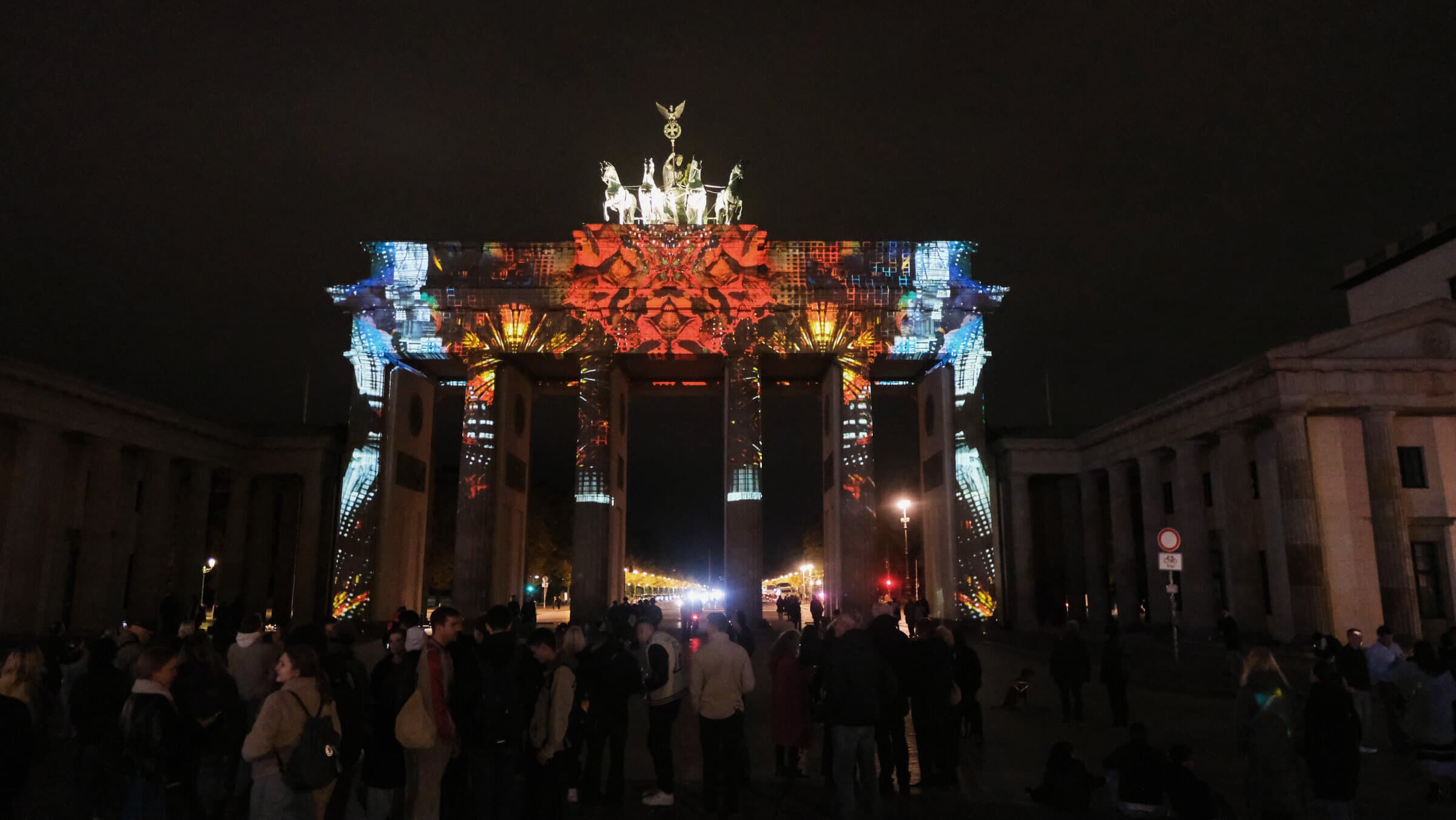
The campaign window happens to land on the busiest stretch of Berlin's cultural calendar. Festival of Lights runs for ten nights in October. Jazzfest follows in the first days of November. Then comes the ninth, the anniversary of the night the Wall opened, which the city marks quietly and everywhere. By the end of the month the Christmas markets are open. Nobody who flies in during these six weeks needs to plan an evening.
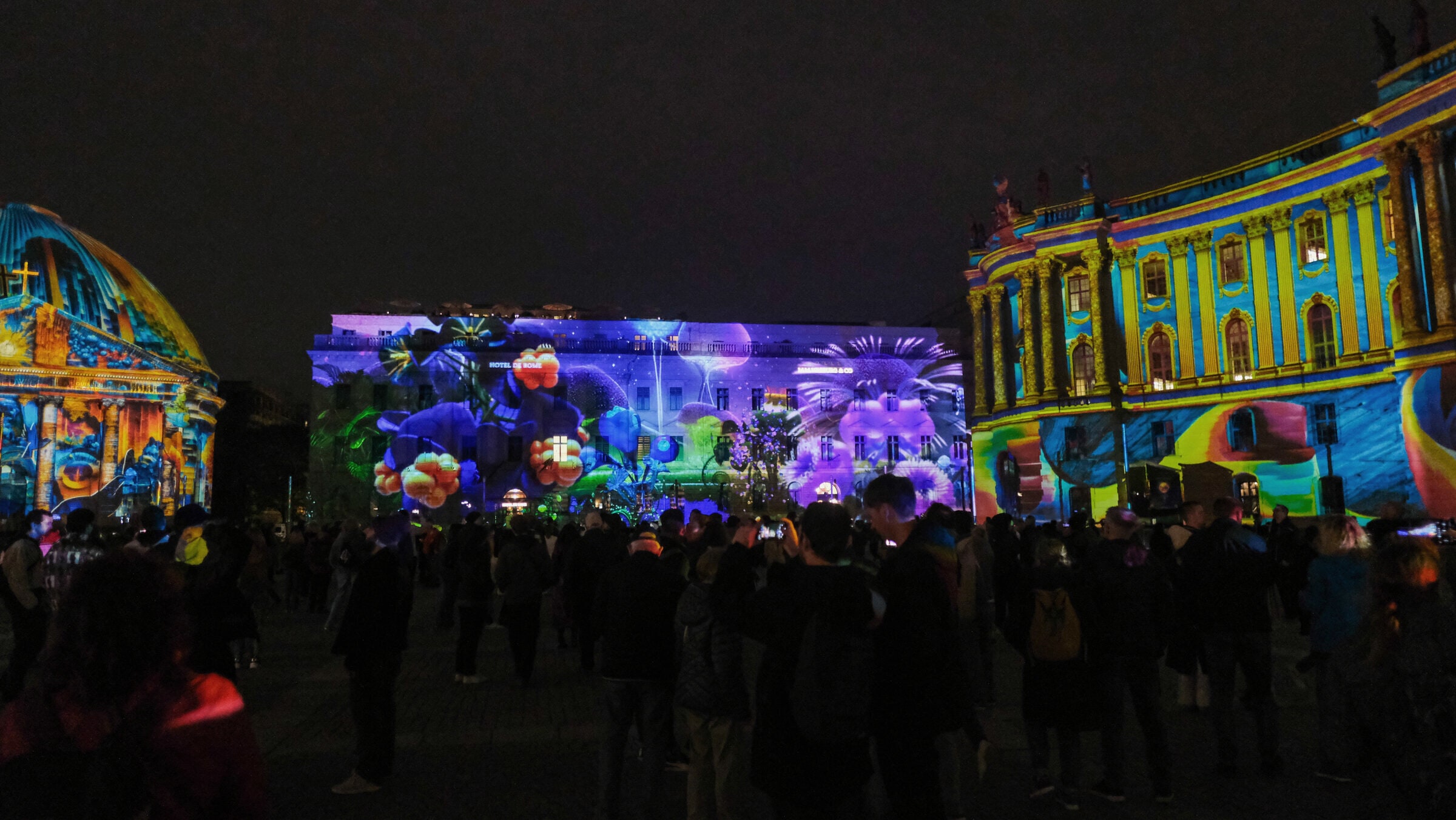
A festival city is a city that has decided its public space is a stage. Berlin decided this a long time ago, and it shows in small ways: the way a crowd on Unter den Linden moves without being told to, the food stalls that appear and vanish on schedule, the police who mostly stand and watch the projections too.
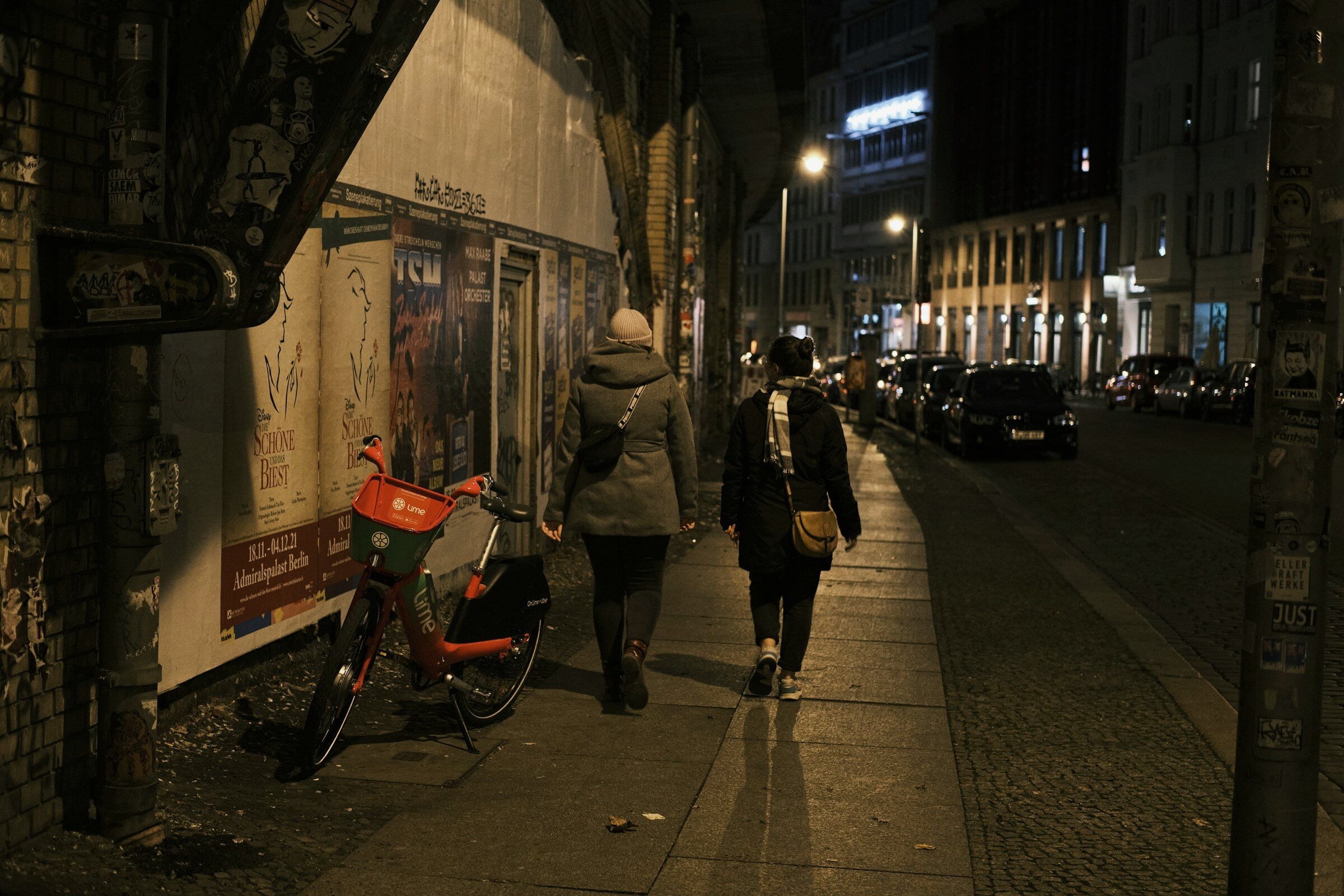
The Haus der Berliner Festspiele is a 1960s theatre with a lobby the size of a train station and a hall that sounds like a living room. Jazzfest has used it since the festival began in 1964. The programming is famously stubborn: no crowd-pleasers, no nostalgia acts, and every year a few names that the audience files out arguing about.
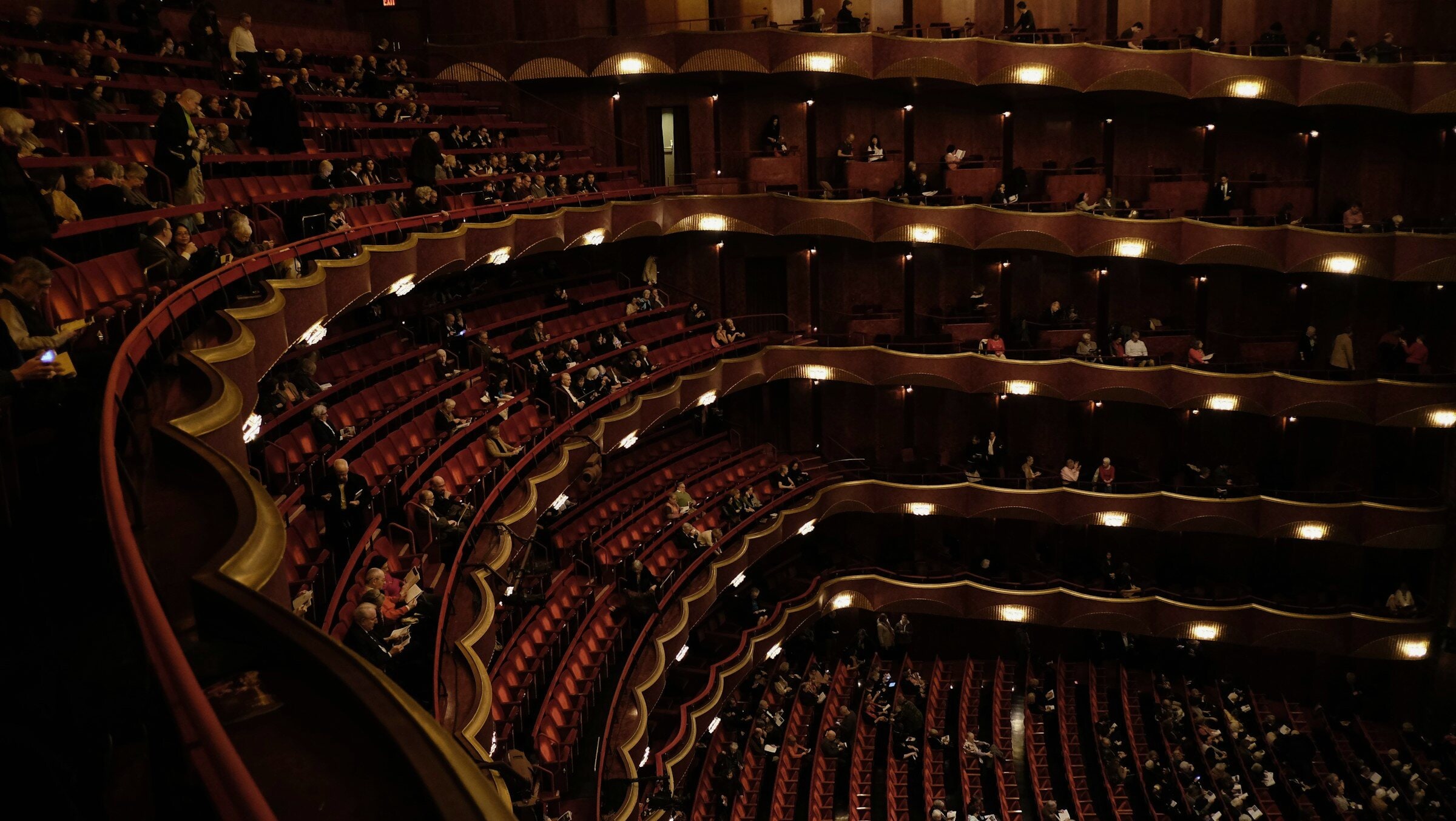
What distinguishes a Berlin audience is not enthusiasm. It is attention. A quartet from Beirut played the second set the night we were there, and the room gave them the kind of quiet that most cities reserve for the symphony. The encore was a Fairuz song, played straight. Half the room knew the words and none of them sang.
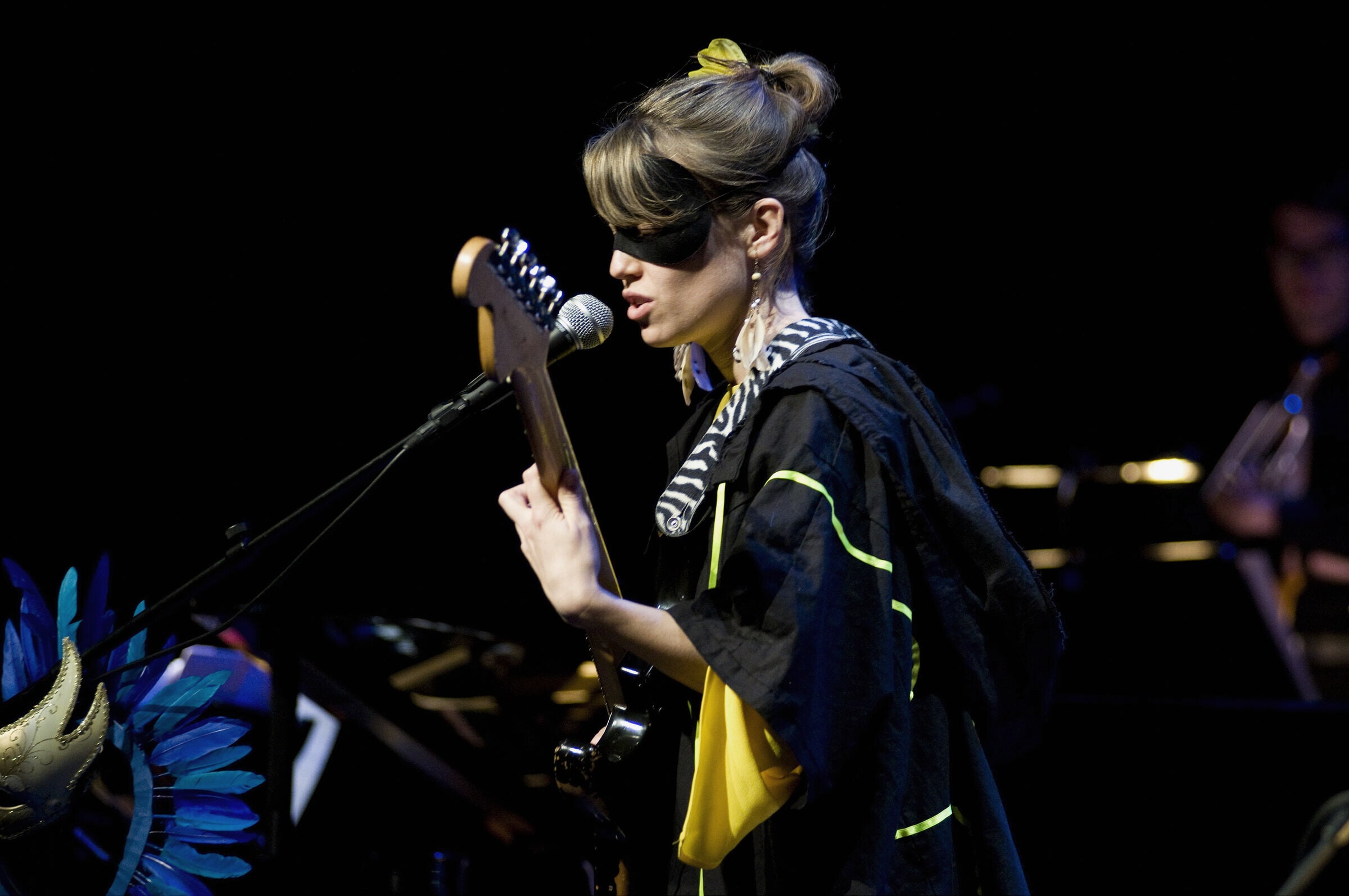
Khamsa, Jazzfest Berlin, second set
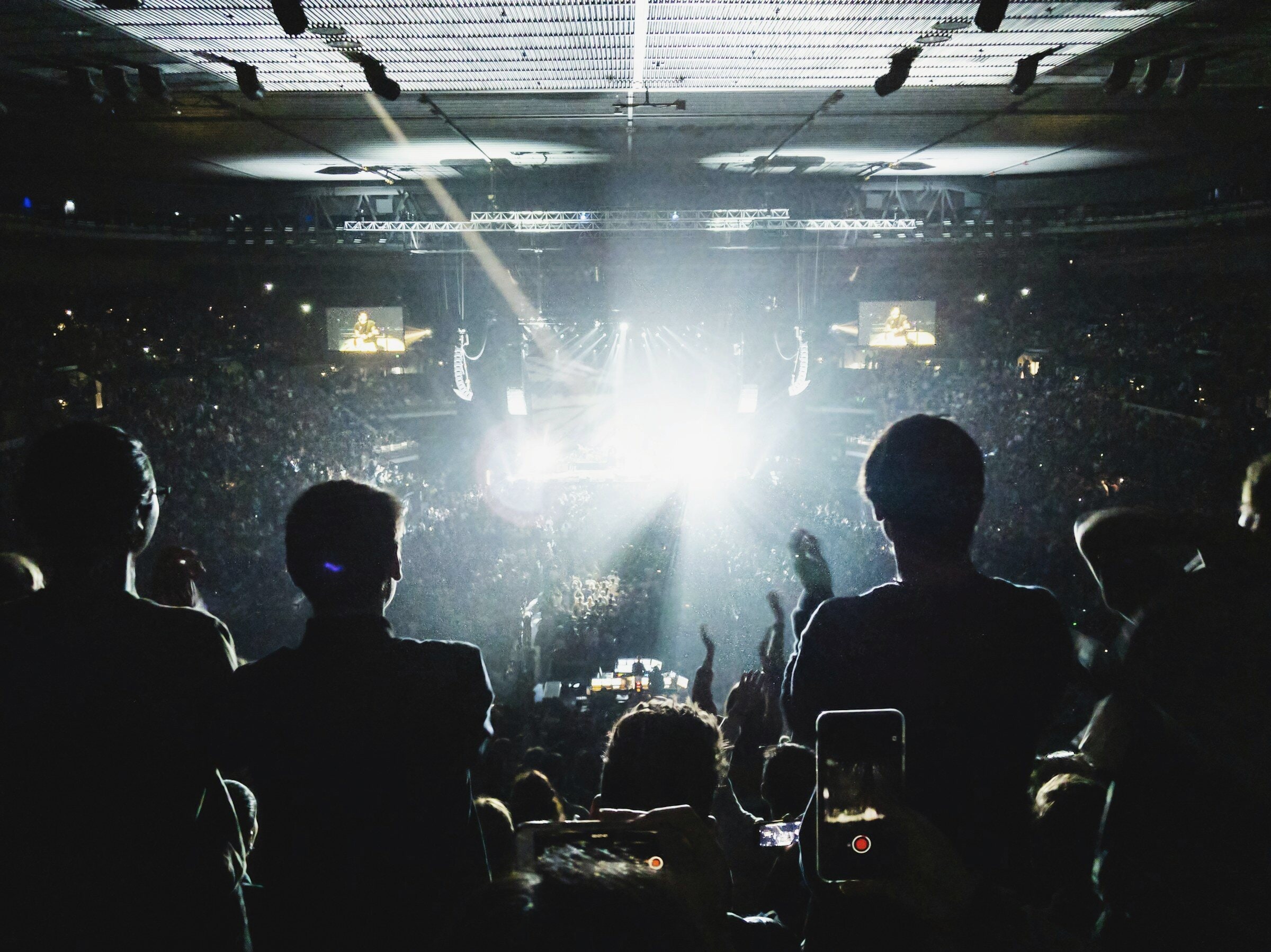
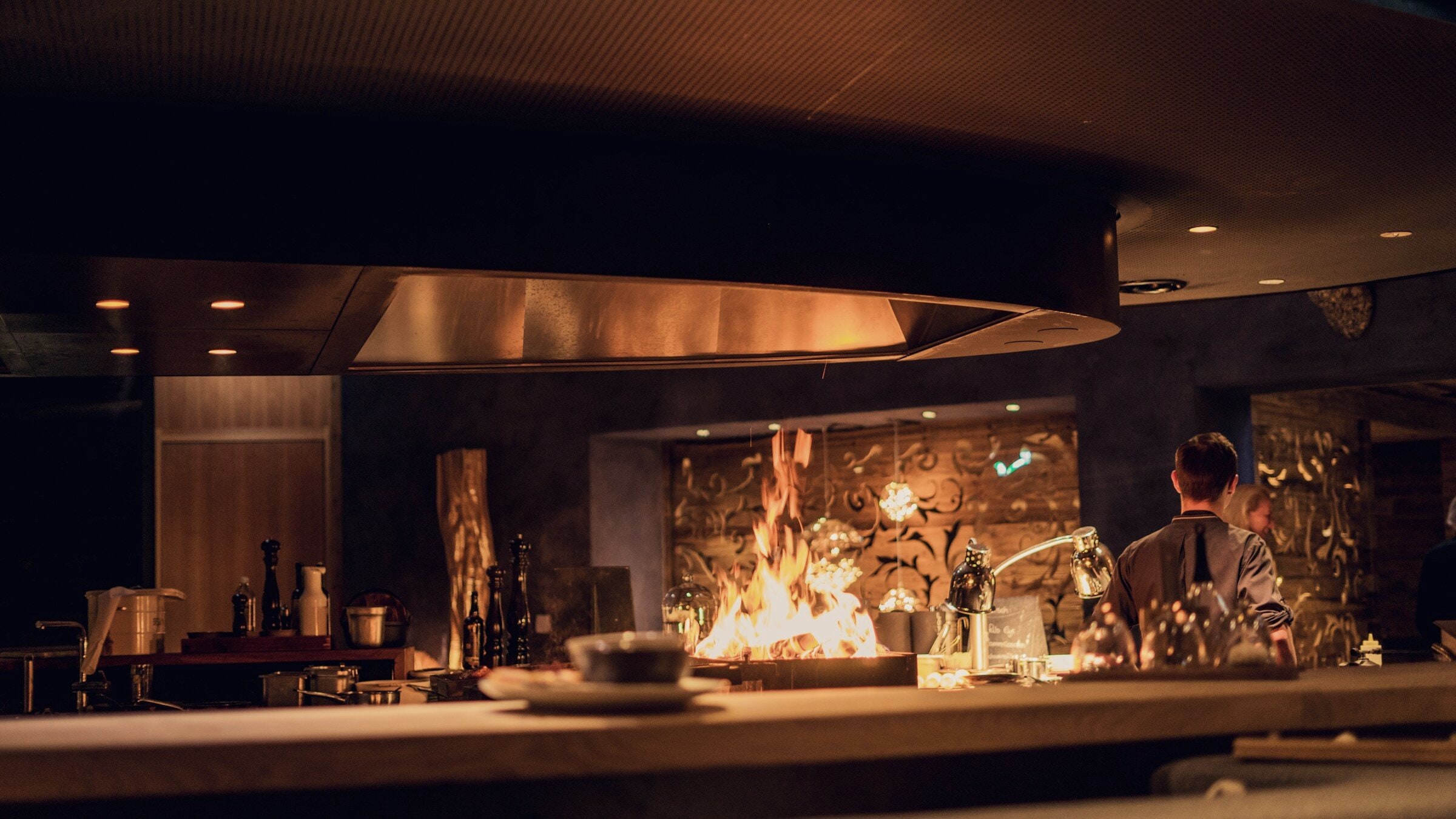
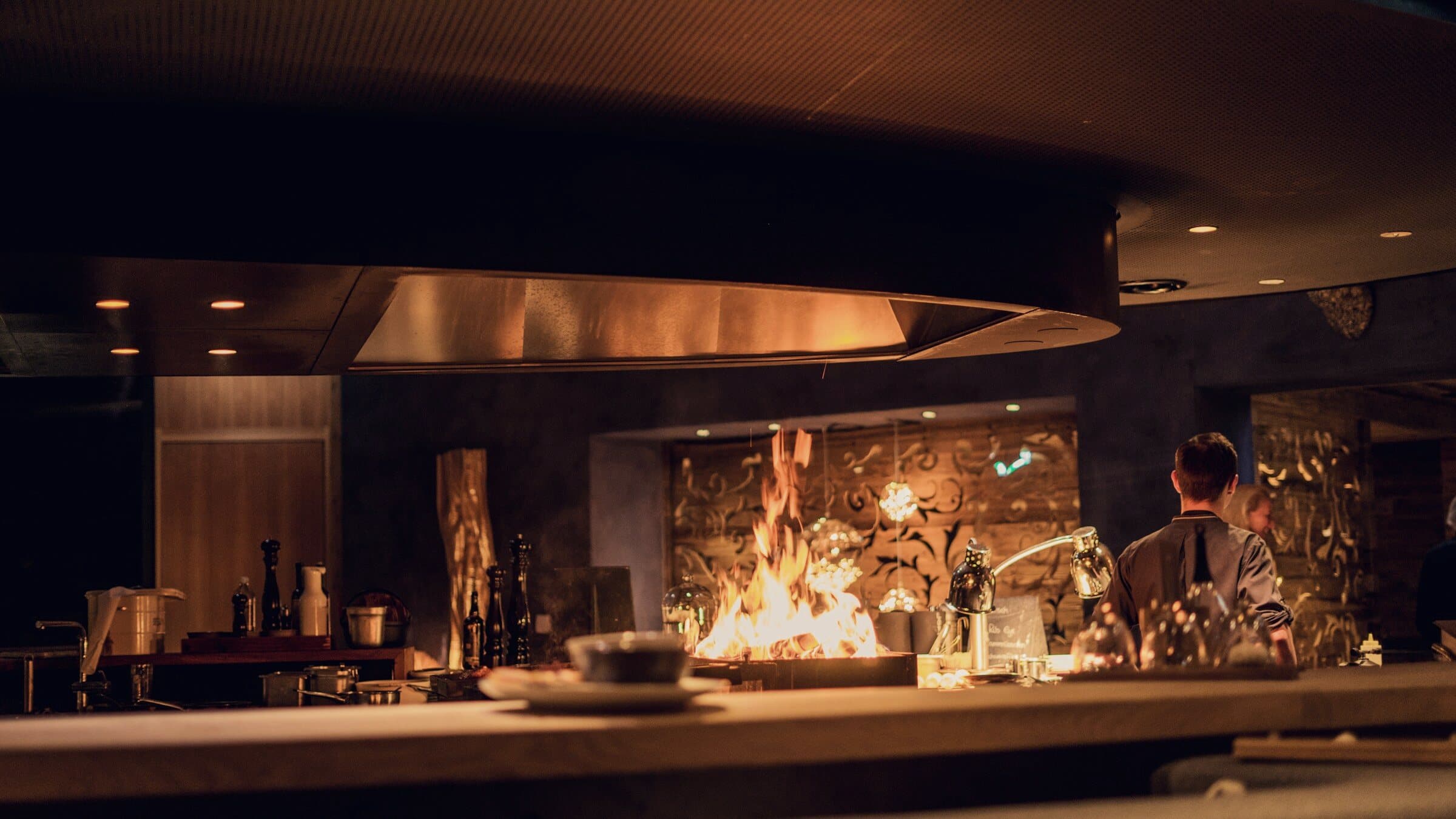
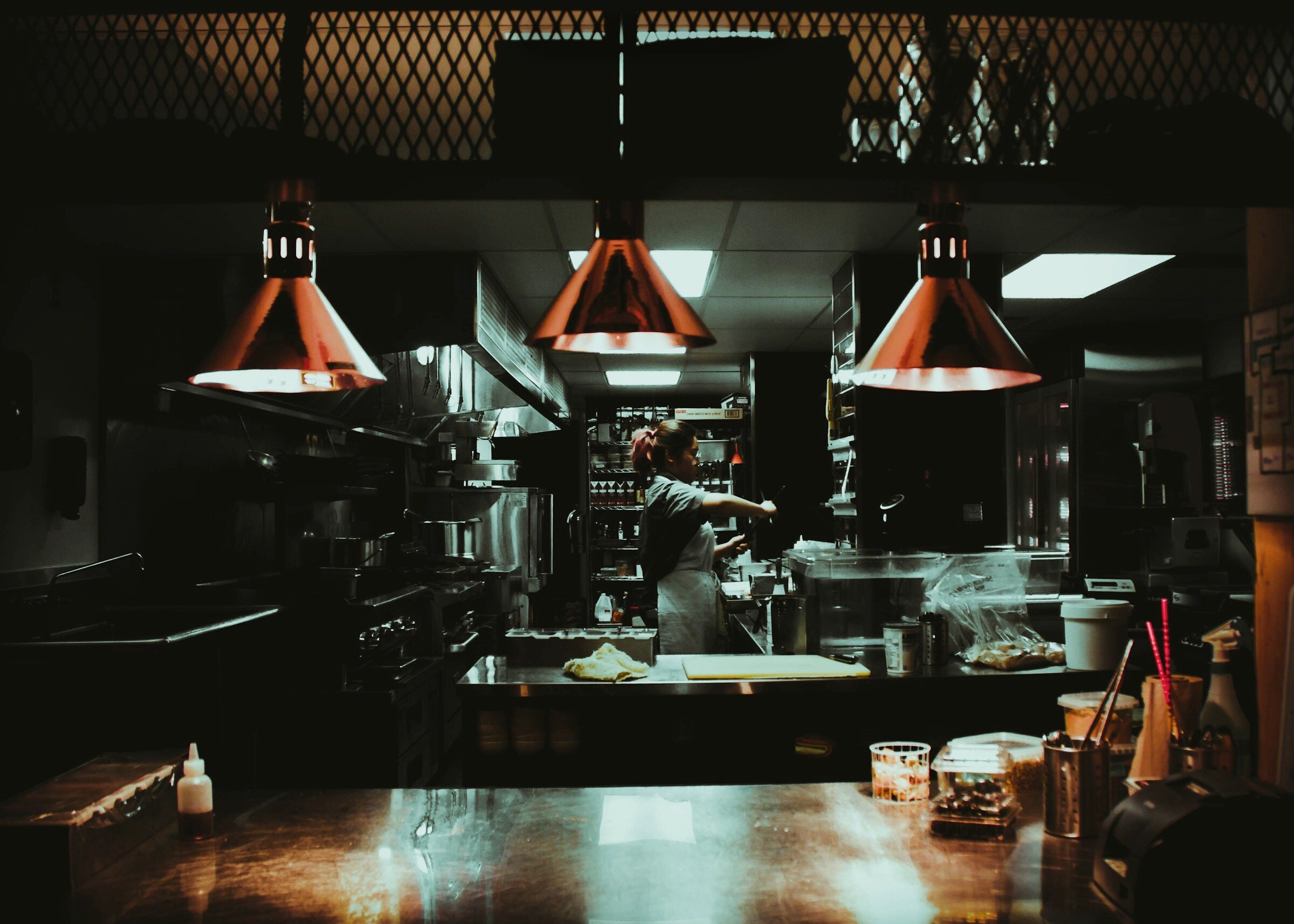
The restaurant is on a corner in Neukölln with no sign, a Michelin nod it does not mention, and a chef who grew up between Aleppo and Hamburg. The tasting menu finished hours ago. What remains is the late card: flatbread from the oven, a lamb shoulder that has been in since the afternoon, a salad of things that were in the market at seven. The room is musicians, gallery staff and two dancers still in stage make-up.
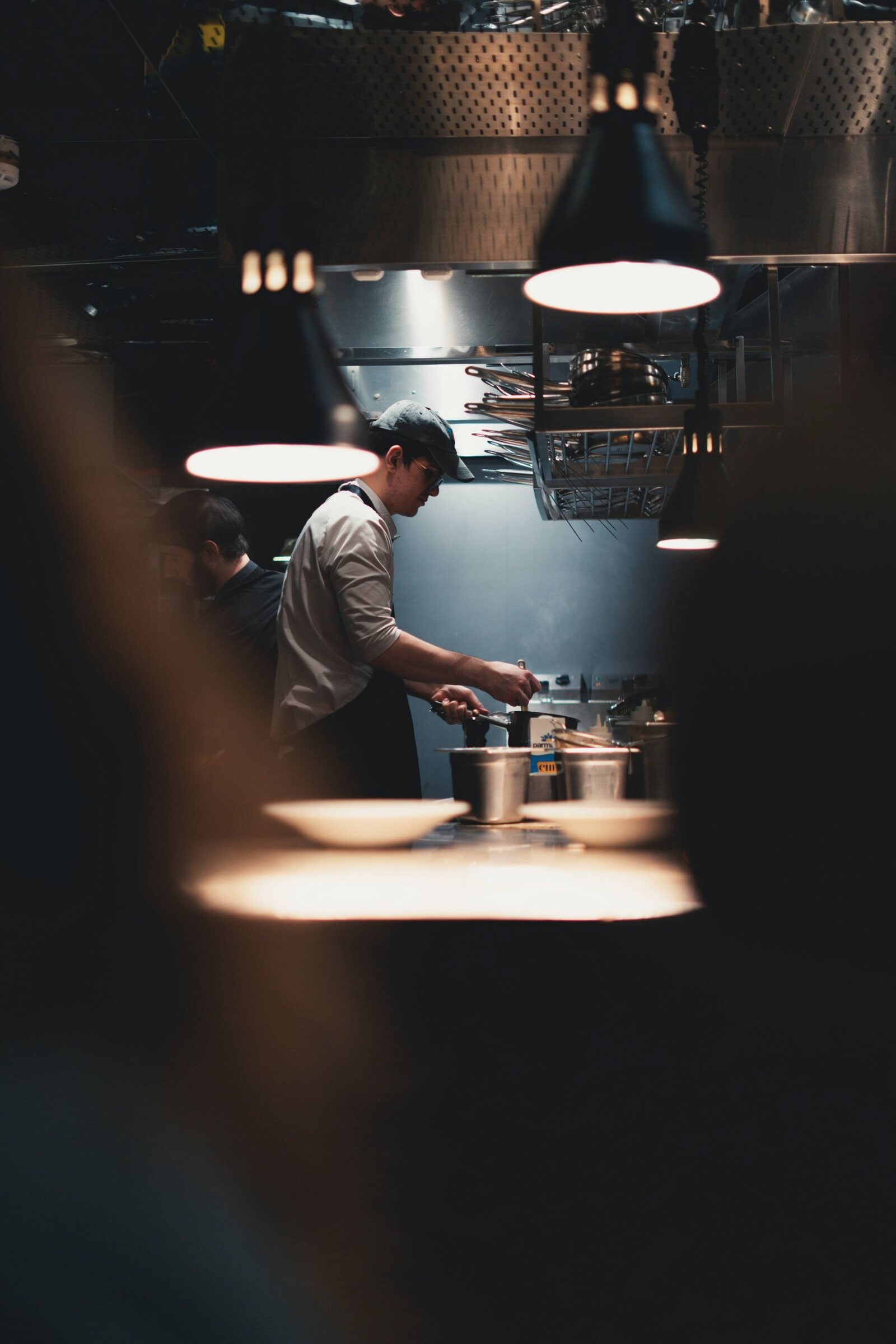
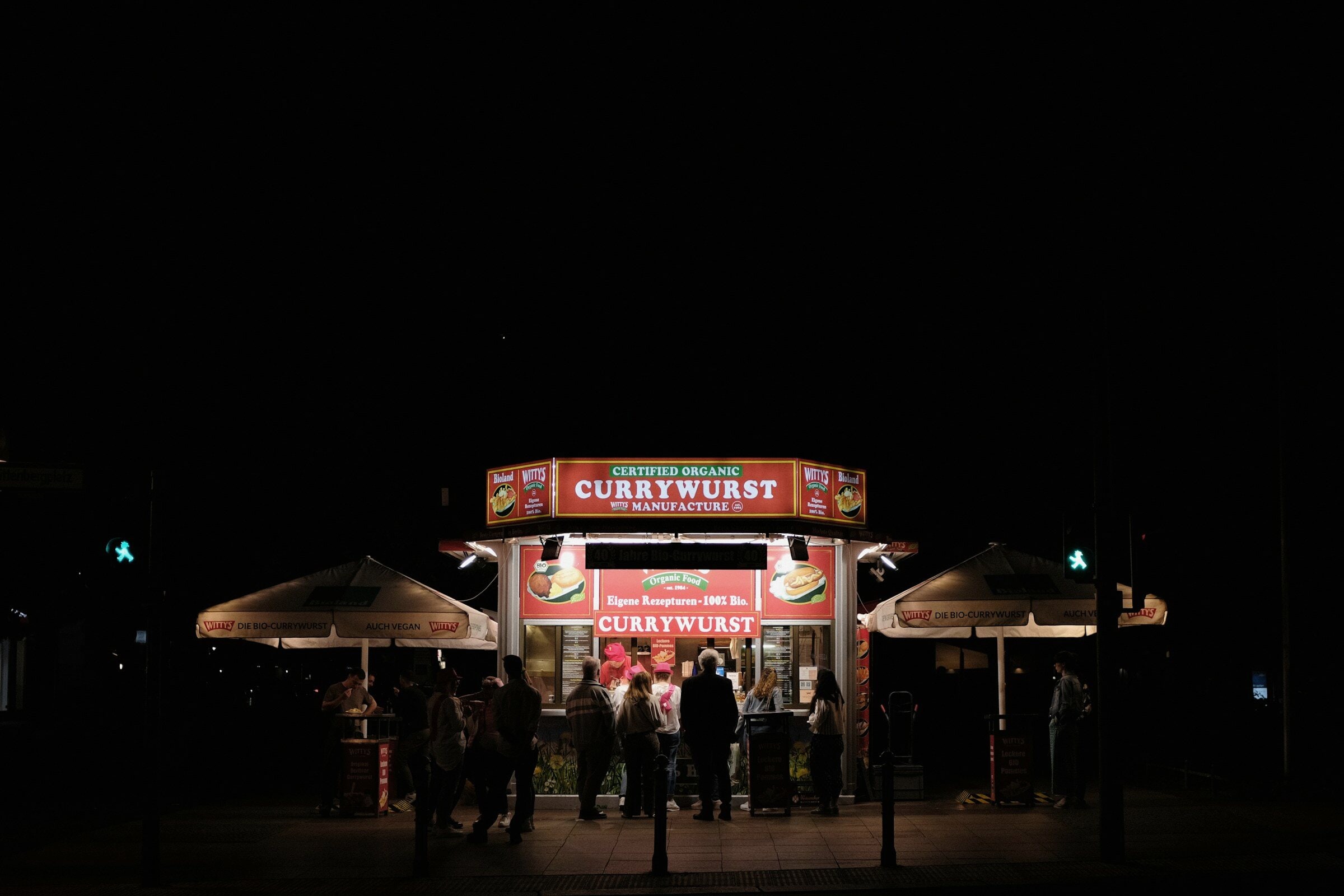
Fine dining in this city is unusually relaxed about the hour. A kitchen that closes at eleven is considered a lunch place. The reason is the audience: a city where the evening's culture ends at midnight produces a crowd that wants dinner at half past, and the good rooms adapted. The result is the best late-night eating in Europe, most of it in districts a taxi driver from the airport would not think to recommend.
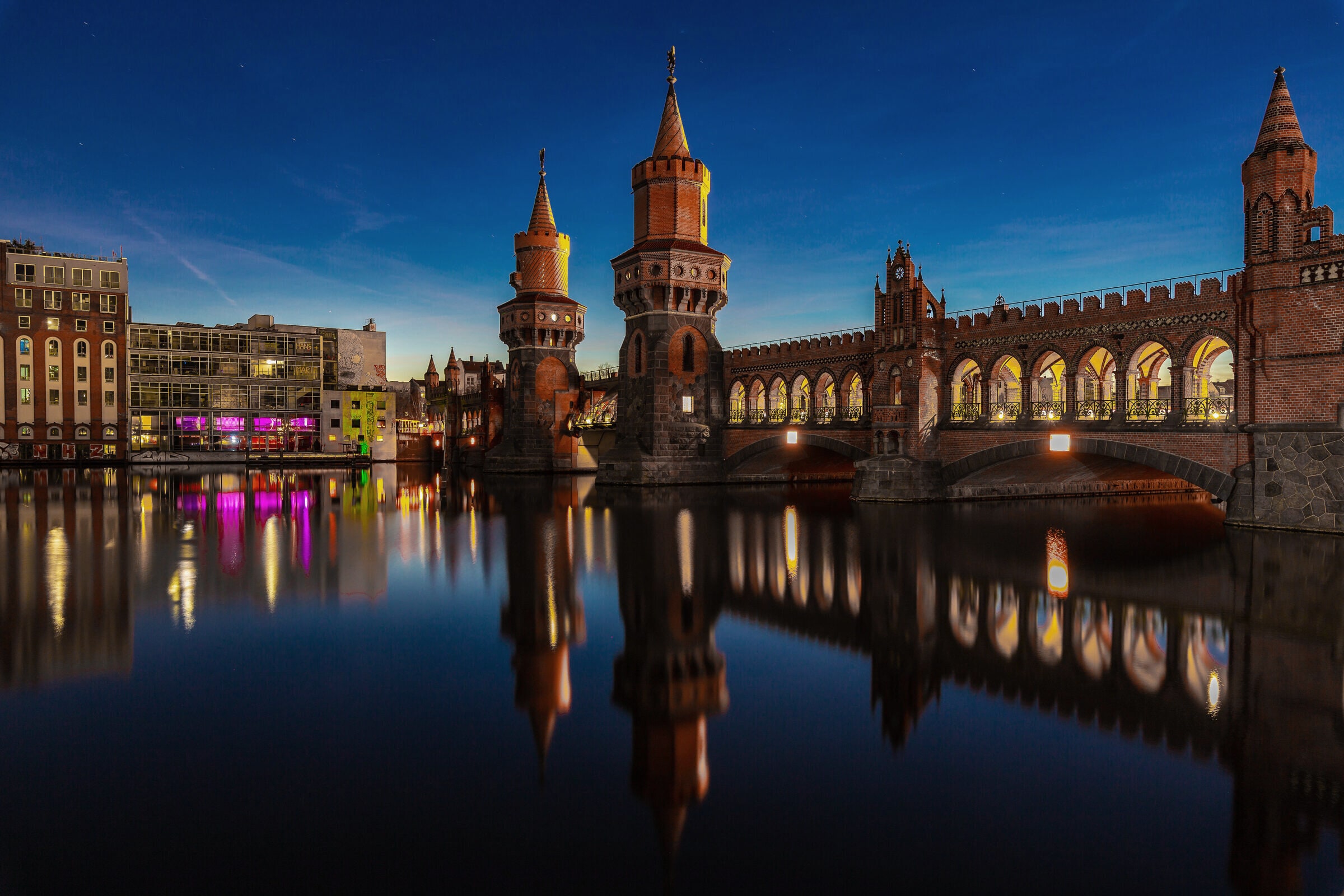
We walked back along the river at three. The bridges were lit, the trains were still running, and a bakery on the far bank had its lights on for the morning shift. The day we had started at first light had run into the next one without a seam.
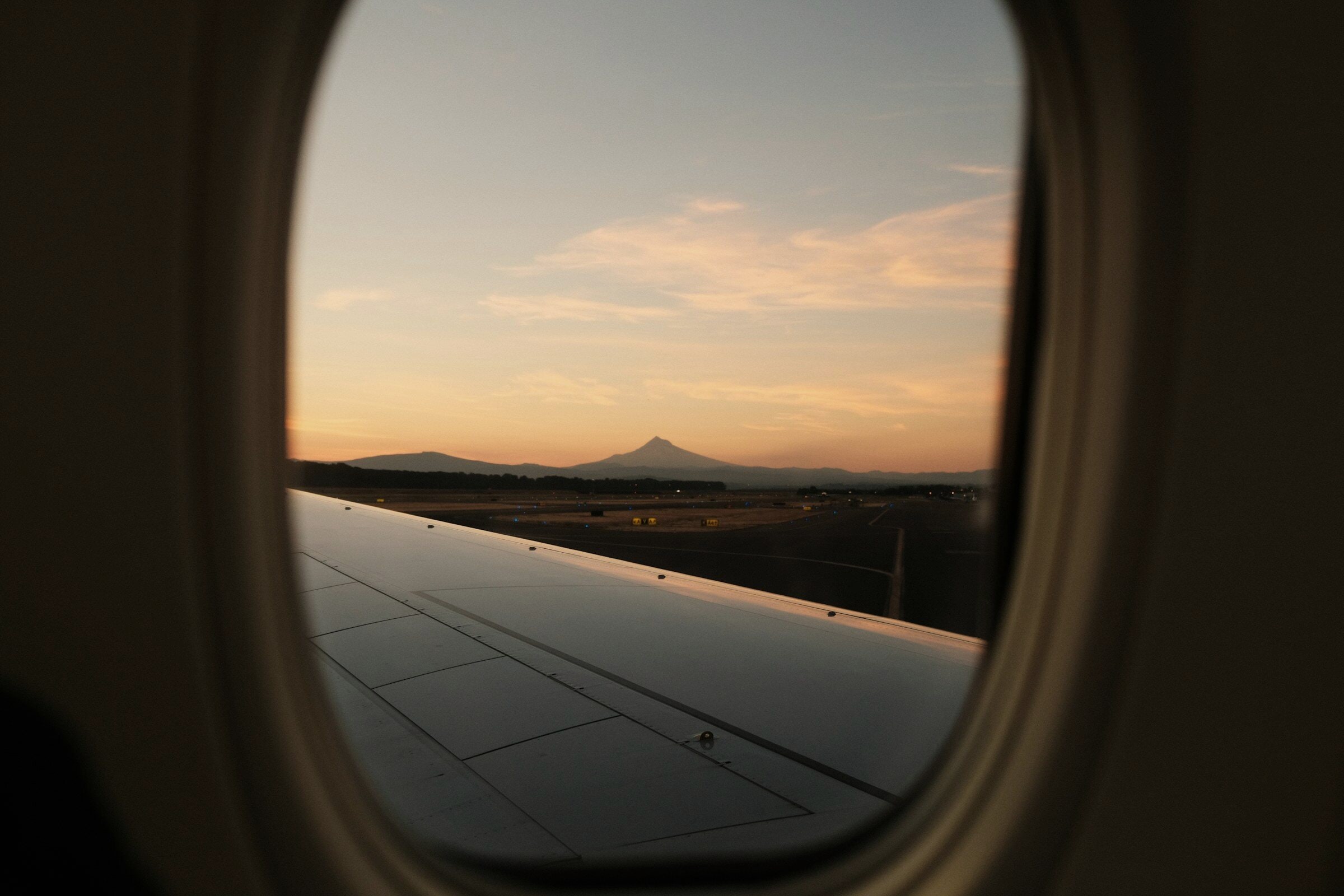
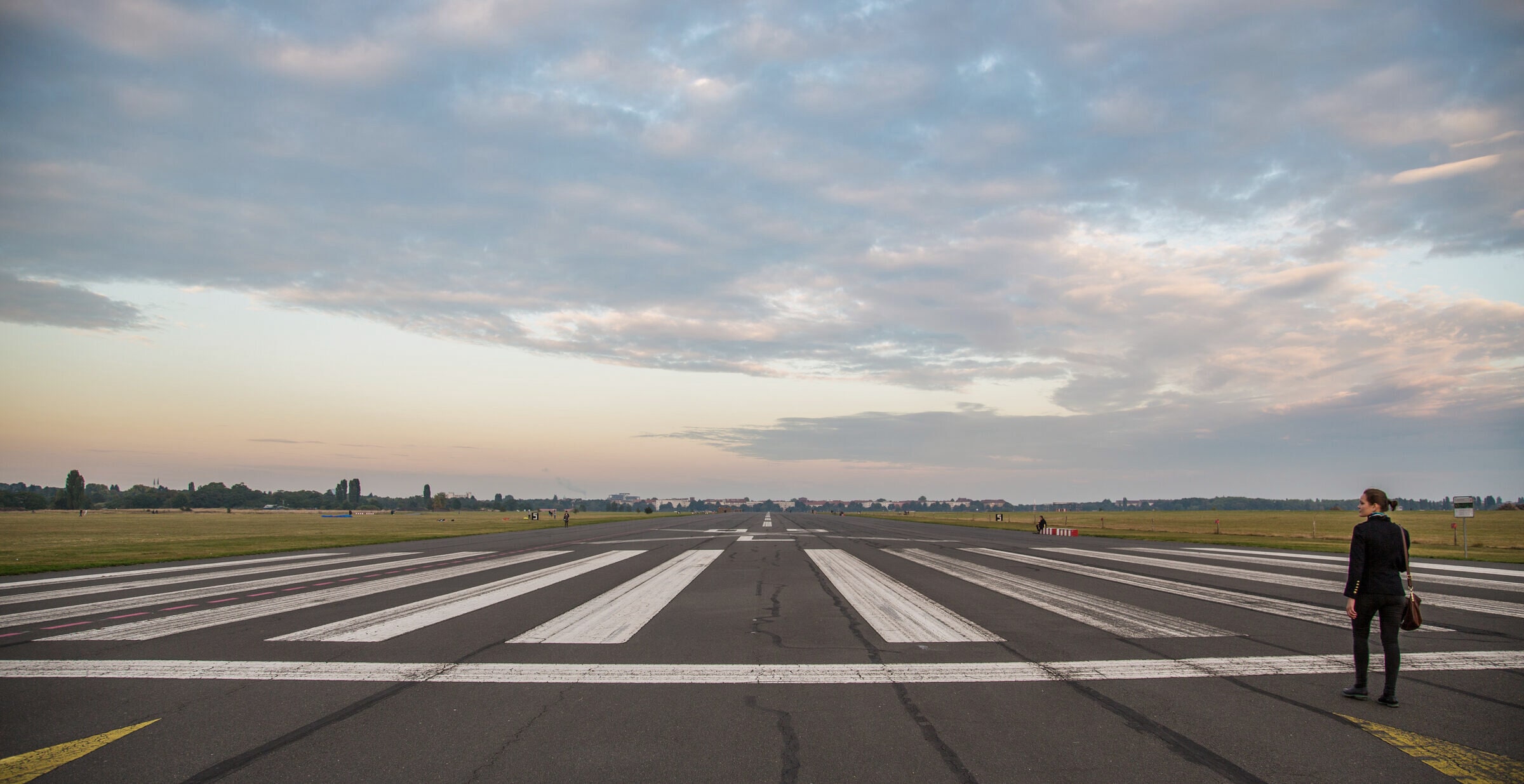
Berlin is the only major European capital that turned its airport into a park. Tempelhof closed in 2008 and the runways are now the widest public space in the city, used by kite-surfers, gardeners and people learning to ride bicycles. It is a fitting last stop: a city that keeps changing what its buildings are for.
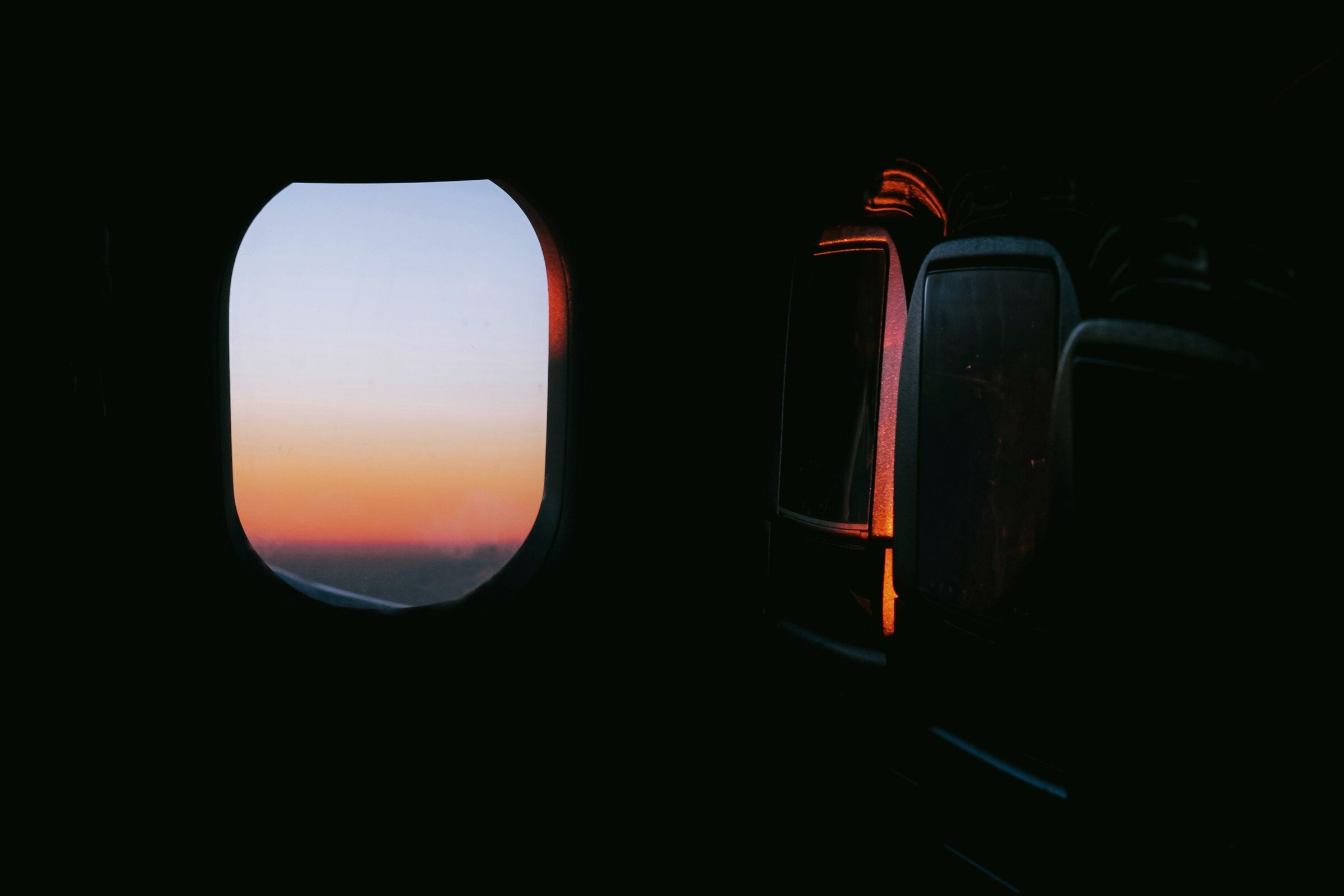
Emirates' new route does something simple for a Dubai reader. It removes the layover, and with it the reason not to go. Six hours in the air, no connection, a landing at first light. A weekend becomes long enough for the museum at opening, the atelier at lunch, the rehearsal, the festival, the stage and the late kitchen. We know because we did it without sleeping. You are allowed to.
Emirates flies Dubai to Berlin daily from October. Khamsa will be back in the spring for the Gallery Weekend, and we intend to sleep this time.